Fatah Conference Pushes Gaza to the Margins
Fatah’s eighth conference exposed the depth of the movement’s internal divisions and its growing detachment from the Palestinian public in the Gaza Strip.

Fatah’s eighth conference exposed the depth of the movement’s internal divisions and its growing detachment from the Palestinian public in the Gaza Strip.

The results of Fatah’s 8th General Conference have intensified the succession struggle expected to erupt once PA President Mahmoud Abbas leaves the political stage, while

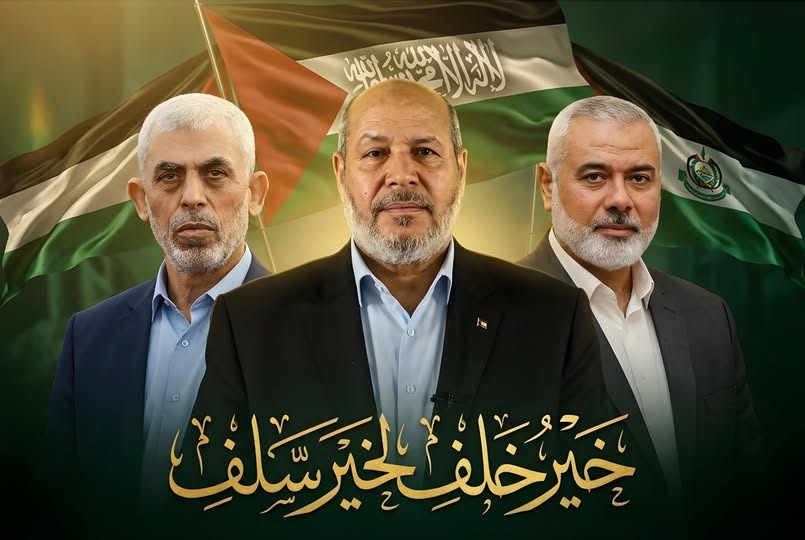
While the confrontation with Iran and developments along the northern front occupy both Israel and the United States, Hamas is exploiting the diplomatic stalemate to delay demands for its disarmament.
At the same time, it is working to consolidate its governance in the Gaza Strip, rebuild its military capabilities, and continue terrorist activity against IDF forces, with the aim of preserving its position ahead of the next phase of the regional conflict.

The Lebanon Model in Gaza
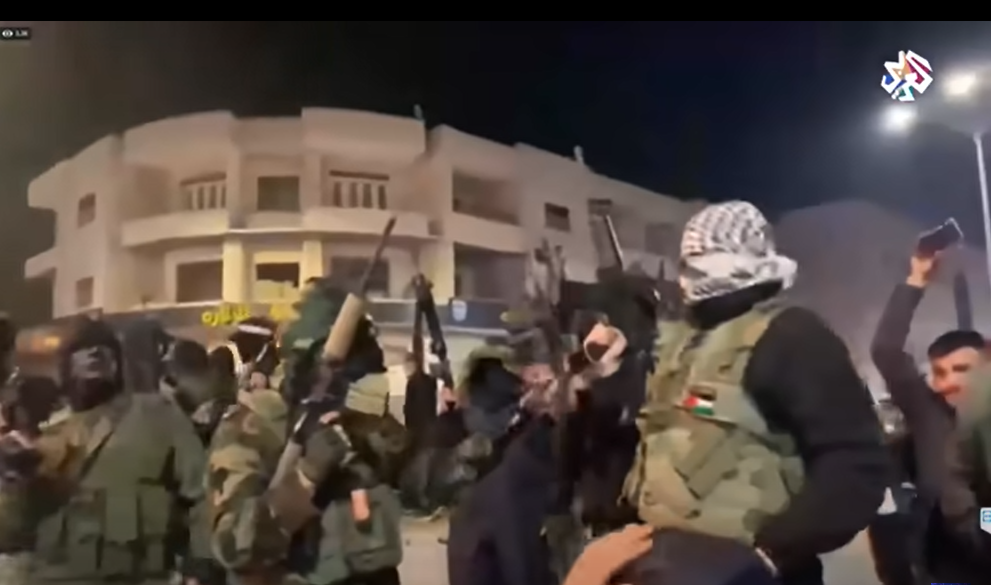
Hamas is working to remain the dominant military force in the Gaza Strip behind the scenes, alongside a formal civilian administration, in order to ensure full control for years to come.

PA President Mahmoud Abbas has issued a new statement pledging to implement reforms within the PA’s institutions in line with the demands of the international community.
Senior political sources in Jerusalem say that, in practice, incitement continues and salaries to terrorists are still being paid, arguing that Abbas is attempting to mislead the international community in order to secure a role for the PA in governing the Gaza Strip.

According to senior Fatah officials, Hussein al-Sheikh was appointed as the interim President of the PA under American pressure and with Israel’s approval, in order to maintain PA stability and help President Trump advance his peace initiative.
They argue that the appointment is intended to strengthen al-Sheikh’s position amid the possibility that his bitter rival Marwan Barghouti may soon be released from prison.

Palestinian Authority (PA) President Mahmoud Abbas’s decision to reinstate Nasser al-Kidwa, the nephew of Yasser Arafat, into Fatah marks a clear attempt to project openness and reform within the movement amid growing international pressure and calls to renew the PA’s legitimacy.
The return of the veteran diplomat is expected to strengthen Fatah’s standing both domestically and internationally, pave the way for potential reconciliation with Hamas, and serve as a response to mounting criticism of Abbas’s centralized and allegedly corrupt leadership in Ramallah.

Senior security officials state that Hamas is facing an unprecedented strategic crisis, yet it is determined to survive in the Gaza Strip at any cost and refuses to surrender.

The defense establishment assesses that the likelihood is increasing that Mohammed Sinwar was indeed killed in the Israeli Air Force strike in Khan Younis.
A senior security official estimates that it is still too early to determine how the assassination attempt will impact the negotiations for the release of the hostages.

Senior security officials state that the status of PA Chairman Mahmoud Abbas in the Arab arena has significantly weakened, and they estimate that he is nearing the end of his rule. Last weekend, Saudi Crown Prince Mohammed bin Salman convened a small-scale summit to discuss the future of the Gaza Strip, yet PA Chairman Abbas was not invited.

Fatah’s eighth conference exposed the depth of the movement’s internal divisions and its growing detachment from the Palestinian public in the Gaza Strip.

The results of Fatah’s 8th General Conference have intensified the succession struggle expected to erupt once PA President Mahmoud Abbas leaves the political stage, while

While the confrontation with Iran and developments along the northern front occupy both Israel and the United States, Hamas is exploiting the diplomatic stalemate to delay demands for its disarmament.
At the same time, it is working to consolidate its governance in the Gaza Strip, rebuild its military capabilities, and continue terrorist activity against IDF forces, with the aim of preserving its position ahead of the next phase of the regional conflict.

The Lebanon Model in Gaza
Hamas is working to remain the dominant military force in the Gaza Strip behind the scenes, alongside a formal civilian administration, in order to ensure full control for years to come.

PA President Mahmoud Abbas has issued a new statement pledging to implement reforms within the PA’s institutions in line with the demands of the international community.
Senior political sources in Jerusalem say that, in practice, incitement continues and salaries to terrorists are still being paid, arguing that Abbas is attempting to mislead the international community in order to secure a role for the PA in governing the Gaza Strip.

According to senior Fatah officials, Hussein al-Sheikh was appointed as the interim President of the PA under American pressure and with Israel’s approval, in order to maintain PA stability and help President Trump advance his peace initiative.
They argue that the appointment is intended to strengthen al-Sheikh’s position amid the possibility that his bitter rival Marwan Barghouti may soon be released from prison.

Palestinian Authority (PA) President Mahmoud Abbas’s decision to reinstate Nasser al-Kidwa, the nephew of Yasser Arafat, into Fatah marks a clear attempt to project openness and reform within the movement amid growing international pressure and calls to renew the PA’s legitimacy.
The return of the veteran diplomat is expected to strengthen Fatah’s standing both domestically and internationally, pave the way for potential reconciliation with Hamas, and serve as a response to mounting criticism of Abbas’s centralized and allegedly corrupt leadership in Ramallah.

Senior security officials state that Hamas is facing an unprecedented strategic crisis, yet it is determined to survive in the Gaza Strip at any cost and refuses to surrender.

The defense establishment assesses that the likelihood is increasing that Mohammed Sinwar was indeed killed in the Israeli Air Force strike in Khan Younis.
A senior security official estimates that it is still too early to determine how the assassination attempt will impact the negotiations for the release of the hostages.

Senior security officials state that the status of PA Chairman Mahmoud Abbas in the Arab arena has significantly weakened, and they estimate that he is nearing the end of his rule. Last weekend, Saudi Crown Prince Mohammed bin Salman convened a small-scale summit to discuss the future of the Gaza Strip, yet PA Chairman Abbas was not invited.