Israel and Turkey Compete for Regional Hegemony
The strategic center of gravity in the Middle East is gradually shifting from the confrontation with Iran to the struggle over the regional balance of power between Israel and Turkey.

The strategic center of gravity in the Middle East is gradually shifting from the confrontation with Iran to the struggle over the regional balance of power between Israel and Turkey.

Behind the Turkish president’s latest verbal offensive against Israel lies a broader effort to redraw the boundaries of Turkey’s regional influence.

Against the backdrop of Iran’s gradual weakening, a new Sunni coalition is beginning to take form. At its center stands Turkey, seeking regional leadership and signaling a reassessment of the nuclear option as a means of reshaping the balance of deterrence.

Behind Turkey’s mediation initiatives between the United States and Iran, as well as in other arenas, officials in Jerusalem and Western capitals identify a broader strategy aimed at managing regional risks, strengthening Turkey’s international standing, and advancing a neo-Ottoman vision. At its core stands President Recep Tayyip Erdoğan’s ambition to establish Turkey as an unavoidable regional power.

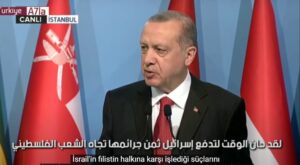
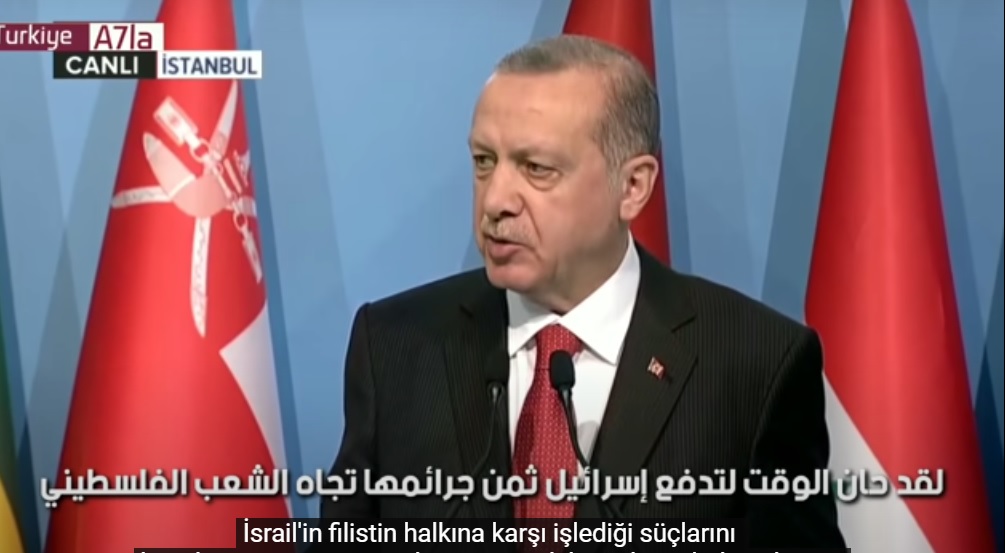
Turkish President Recep Tayyip Erdogan has intensified his rhetoric against Israel, urging Muslim countries to form an alliance against it. This escalation has raised concerns among political officials in Jerusalem, with Israel even calling for Turkey’s expulsion from NATO.

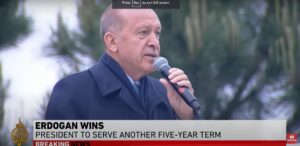
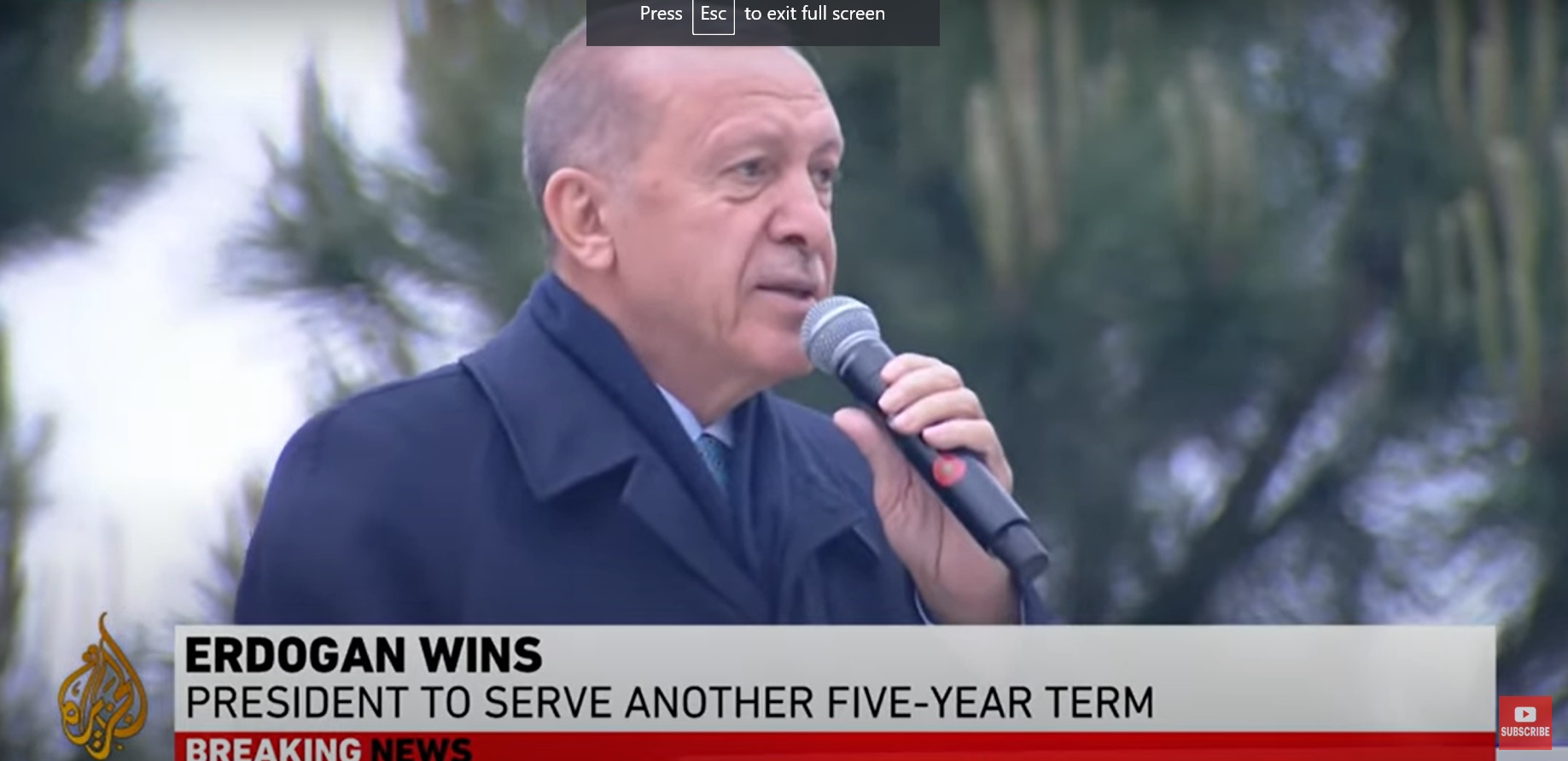
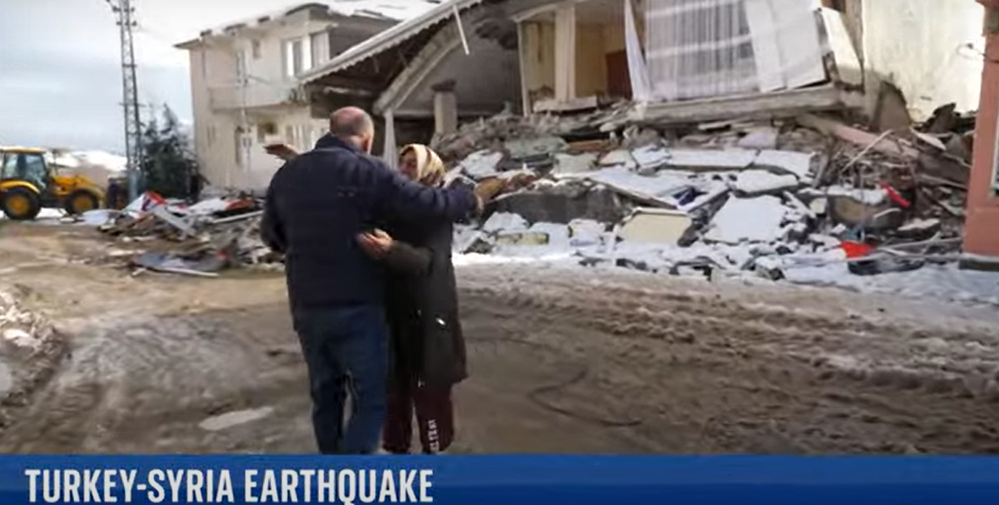
President Erdoğan won the elections in Turkey, he will serve in his position for five more years and he faces difficult challenges mainly in the economic and immigration fields as well as the rehabilitation of the damages from the great earthquake.
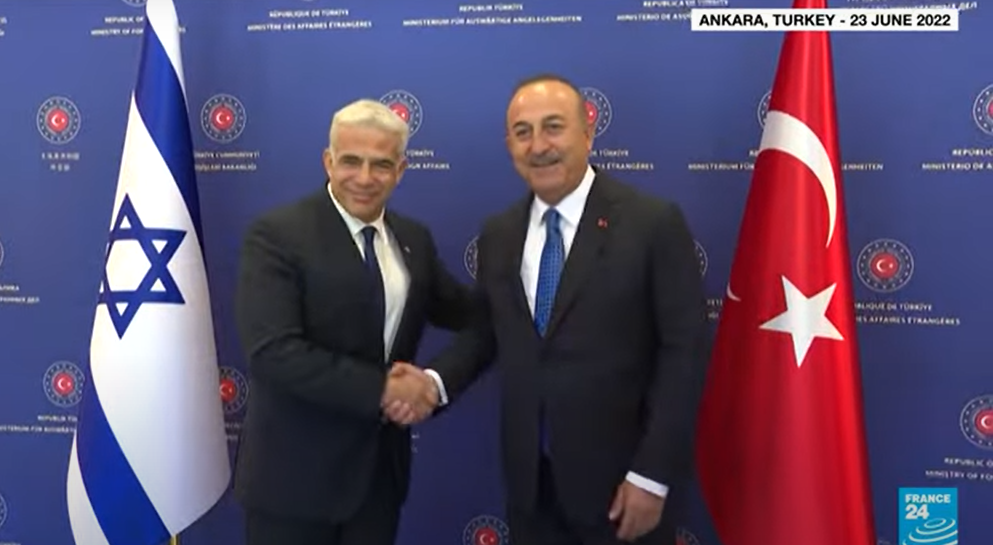
Erdogan is expected to continue the process of normalizing relations with Israel despite the difficult differences of opinion on the Palestinian issue and maintaining regional stability.

Turkey expressed great appreciation to Israel for the humanitarian aid it provided following the earthquake and promised to upgrade relations with it to a high level.
The military wing of Hamas continues to operate from Istanbul and direct attacks against Israel, the serious test of the new relations between Israel and Turkey will be during the month of Ramadan.

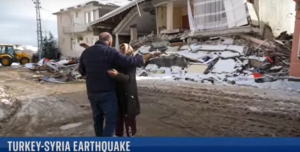
Israel has begun to deliver humanitarian aid to the victims of the earthquake in Turkey and will soon deliver such aid to the victims of the earthquake in Syria as well.
Israeli aid to Syria arouses great
interest in the Arab world, Israeli intelligence monitors flights from Iran to Syria that deliver humanitarian aid for fear that weapons are being smuggled in.

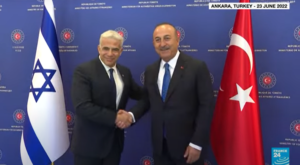
Israel and Turkey announced the full normalization of relations between them and the return of the ambassadors after unstable relations that lasted 15 years.
Israel’s decision is hasty and may be related to the November elections, this is a mistake, a branch of the military wing of Hamas is operating in Istanbul, which directs attacks against Israel

The strategic center of gravity in the Middle East is gradually shifting from the confrontation with Iran to the struggle over the regional balance of power between Israel and Turkey.

Behind the Turkish president’s latest verbal offensive against Israel lies a broader effort to redraw the boundaries of Turkey’s regional influence.

Against the backdrop of Iran’s gradual weakening, a new Sunni coalition is beginning to take form. At its center stands Turkey, seeking regional leadership and signaling a reassessment of the nuclear option as a means of reshaping the balance of deterrence.

Behind Turkey’s mediation initiatives between the United States and Iran, as well as in other arenas, officials in Jerusalem and Western capitals identify a broader strategy aimed at managing regional risks, strengthening Turkey’s international standing, and advancing a neo-Ottoman vision. At its core stands President Recep Tayyip Erdoğan’s ambition to establish Turkey as an unavoidable regional power.

Turkish President Recep Tayyip Erdogan has intensified his rhetoric against Israel, urging Muslim countries to form an alliance against it. This escalation has raised concerns among political officials in Jerusalem, with Israel even calling for Turkey’s expulsion from NATO.

President Erdoğan won the elections in Turkey, he will serve in his position for five more years and he faces difficult challenges mainly in the economic and immigration fields as well as the rehabilitation of the damages from the great earthquake.
Erdogan is expected to continue the process of normalizing relations with Israel despite the difficult differences of opinion on the Palestinian issue and maintaining regional stability.

Turkey expressed great appreciation to Israel for the humanitarian aid it provided following the earthquake and promised to upgrade relations with it to a high level.
The military wing of Hamas continues to operate from Istanbul and direct attacks against Israel, the serious test of the new relations between Israel and Turkey will be during the month of Ramadan.

Israel has begun to deliver humanitarian aid to the victims of the earthquake in Turkey and will soon deliver such aid to the victims of the earthquake in Syria as well.
Israeli aid to Syria arouses great
interest in the Arab world, Israeli intelligence monitors flights from Iran to Syria that deliver humanitarian aid for fear that weapons are being smuggled in.

Israel and Turkey announced the full normalization of relations between them and the return of the ambassadors after unstable relations that lasted 15 years.
Israel’s decision is hasty and may be related to the November elections, this is a mistake, a branch of the military wing of Hamas is operating in Istanbul, which directs attacks against Israel