
Worrying Coordination Between Houthis in Yemen and Militias in Iraq Against Israel
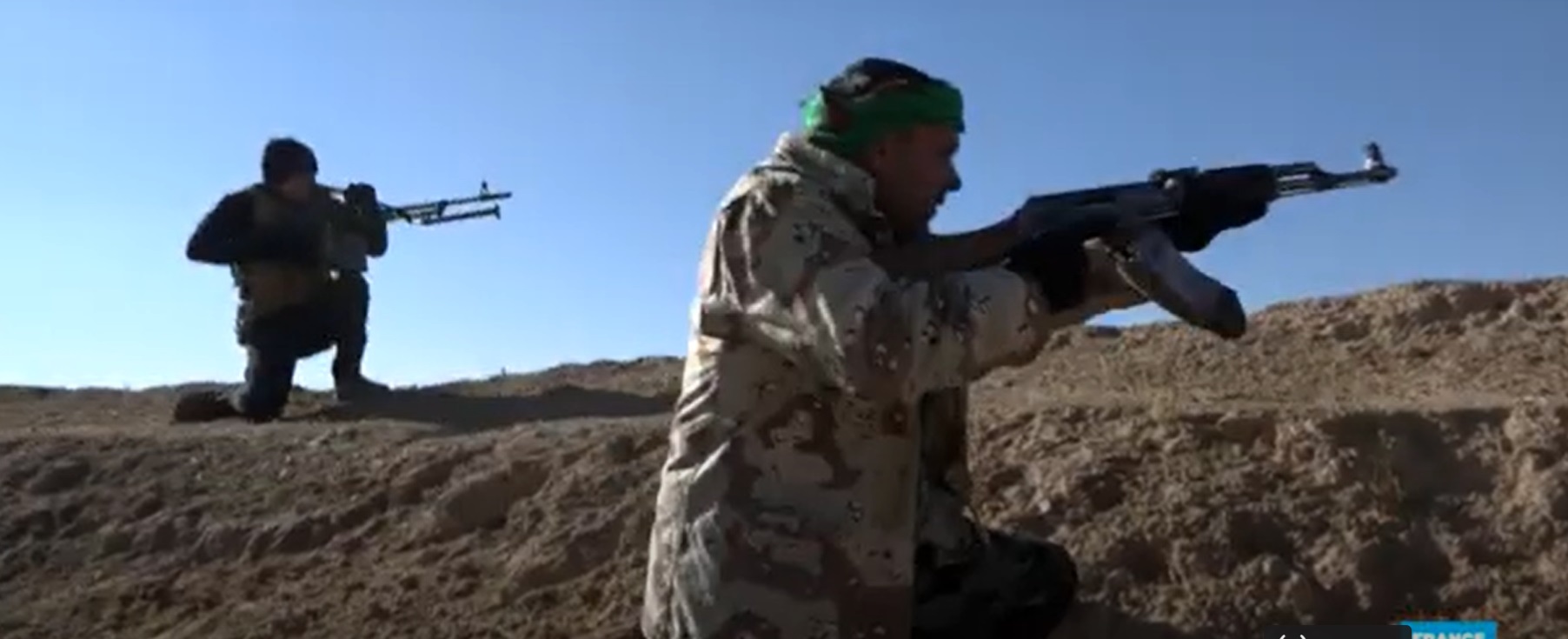
Iran is tightening coordination between the Houthis in Yemen and the Shiite militias in Iraq to attack Israeli and American targets.

Iran is tightening coordination between the Houthis in Yemen and the Shiite militias in Iraq to attack Israeli and American targets.

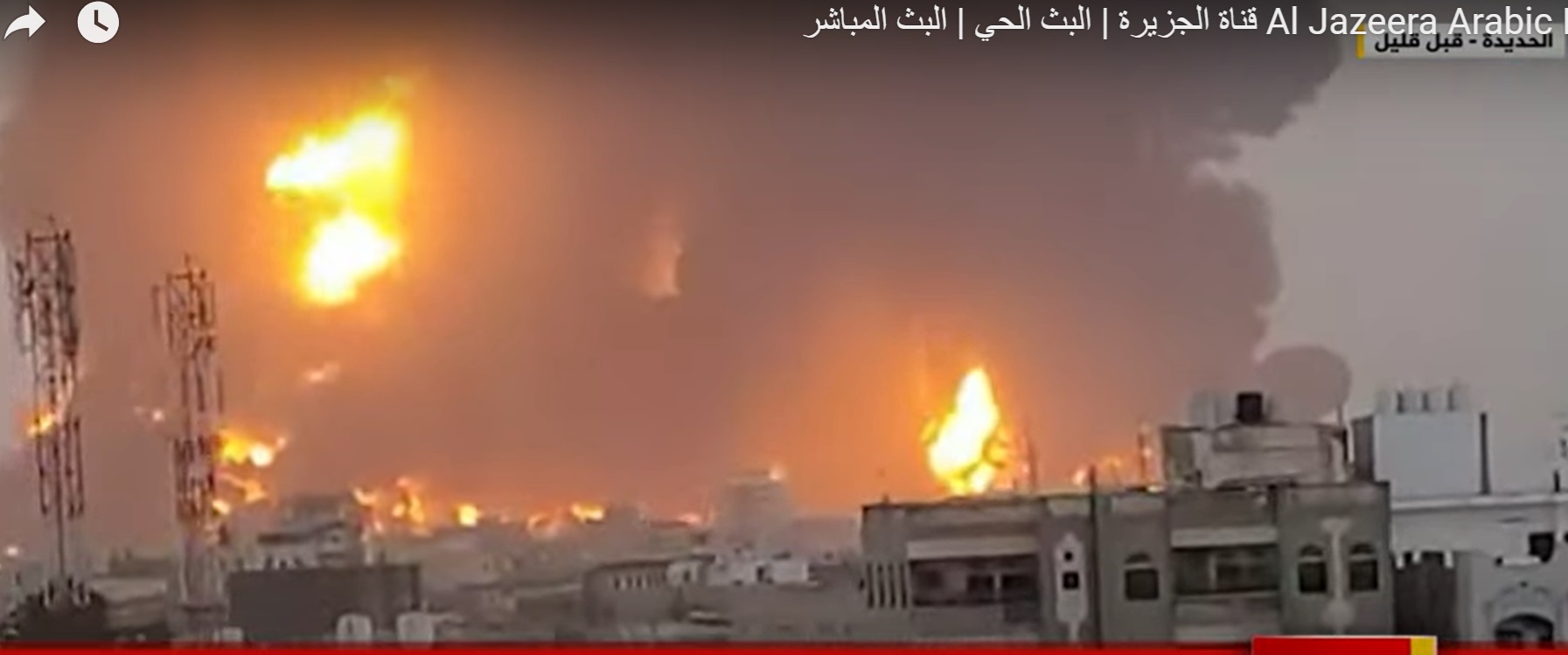
On the eve of Prime Minister Netanyahu’s trip to Washington, Israel launched attacks on targets in Yemen in response to a Houthi drone explosion in Tel Aviv.
The Israeli containment policy has ended. The Israeli attack, coordinated with the US, signals Israel’s preparation for an expanded conflict with the Houthis in Yemen.

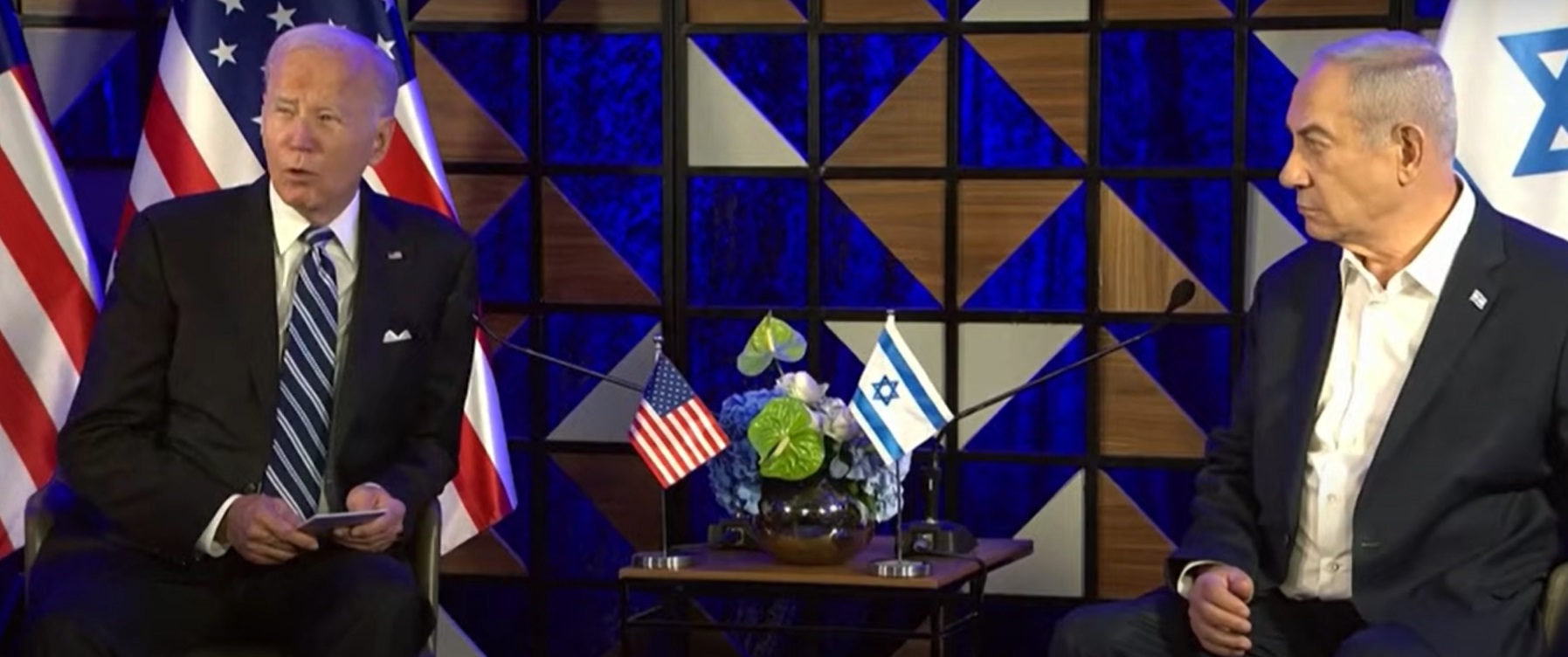
Palestinians and several Arab countries are worried about next week’s anticipated meeting between Prime Minister Benjamin Netanyahu and President Joe Biden in Washington, as well as Netanyahu’s planned speech to Congress.
Hamas fears that Netanyahu will receive political support and arms from the U.S. during his visit, enabling him to continue the war in the Gaza Strip.

The Hamas leadership continues to downplay Israel’s achievements in the ongoing conflict, specifically hiding the news of Muhammad Deif’s death, a significant intelligence and operational success for the Shin Bet and the IDF. The battle for public perception continues as Hamas perpetuates the “myth of victory” from October 7, while Israel systematically eliminates those responsible for the massacre in Israeli settlements near Gaza.

Senior security officials in Israel are increasingly confident that Muhammad Deif was killed in the recent Israeli Air Force attack on Khan Yunis. Reports suggest that Hamas is attempting to conceal his fate. Within the Hamas movement, Muhammad Sinwar, brother of Yahya Sinwar, the leader of Hamas in the Gaza Strip, is already being considered as the potential successor to Deif.

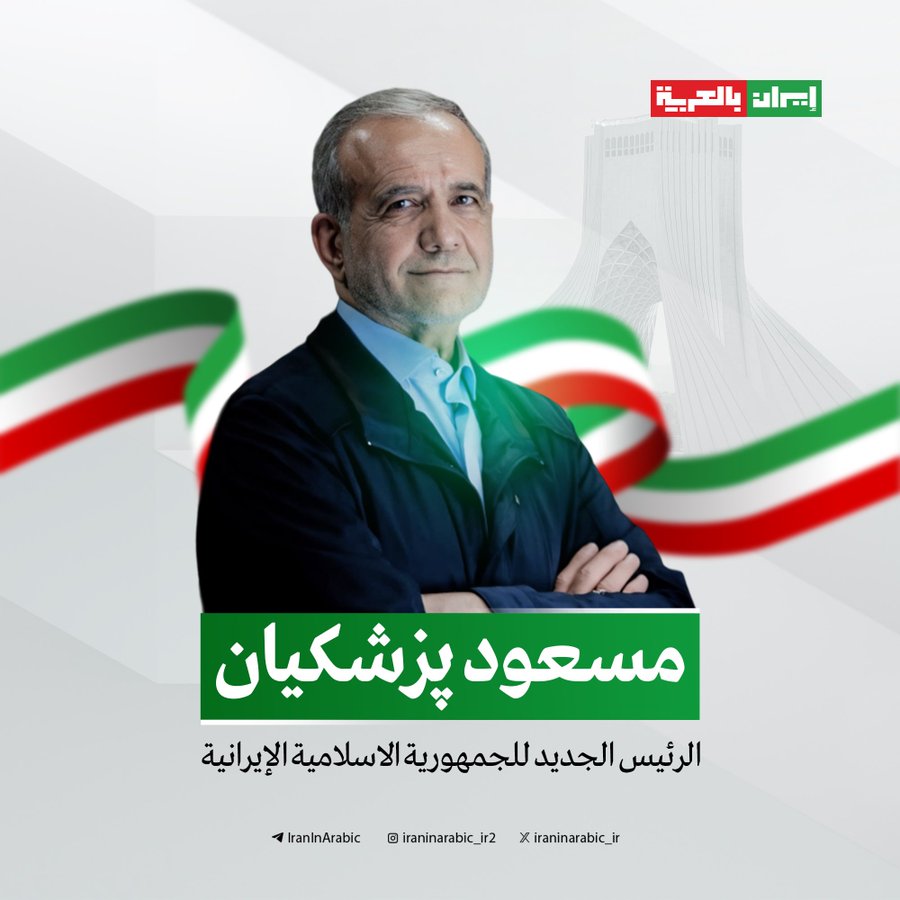
Iran has elected a new president who is expected to focus primarily on improving the country’s difficult economic situation.
The new president, Masoud Pezeshekian, is anticipated to be another puppet of Supreme Leader Ali Khamenei and the Revolutionary Guards.
His election will not mitigate the Iranian threat to Israel or its efforts to obtain nuclear weapons.

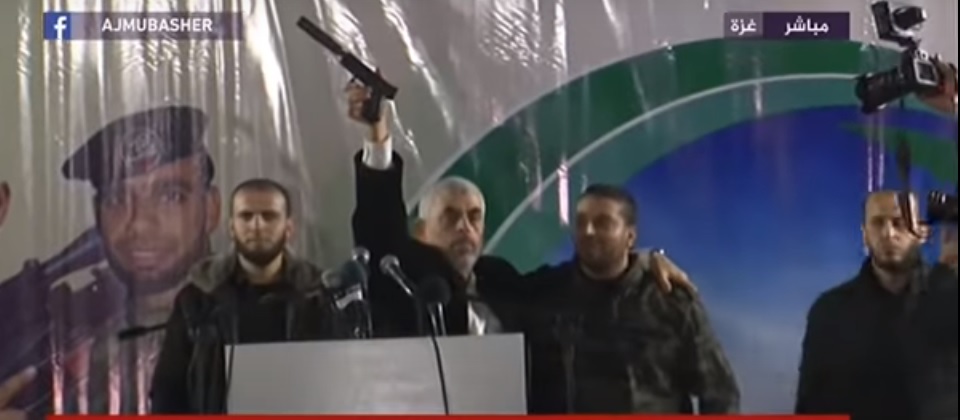
Iran opposes a ceasefire in the Gaza Strip and the hostage deal, and Yahya Sinwar complies with this policy. Sinwar attributes the resignation of Ministers Gantz and Eisenkot from the government to his strategy and is convinced that the Netanyahu government will soon collapse.

The “Arnon” operation to rescue four hostages from the Nuseirat refugee camp was a significant surprise for Hamas, dealing both an operational and morale blow.
However, Hamas is attempting to downplay the success of the Israel Defense Forces (IDF).

For many years, Iran has helped Hamas and Islamic Jihad build a regular army and military outposts in the Gaza Strip to attack Israel.
The Biden administration is working to end the war before the task of completely destroying the military infrastructure that threatens Israel’s existence is completed. The political echelon must stick to this task.

President Biden’s speech on the war in the Gaza Strip focuses pressure on Israel instead of Hamas, reflecting an acceptance of Hamas’s continued rule in Gaza and a failure to address the threat posed by Hezbollah to northern settlements.
Hamas claims to view the speech positively but maintains the same conditions for a hostage release deal and ceasefire.

Iran is tightening coordination between the Houthis in Yemen and the Shiite militias in Iraq to attack Israeli and American targets.

On the eve of Prime Minister Netanyahu’s trip to Washington, Israel launched attacks on targets in Yemen in response to a Houthi drone explosion in Tel Aviv.
The Israeli containment policy has ended. The Israeli attack, coordinated with the US, signals Israel’s preparation for an expanded conflict with the Houthis in Yemen.

Palestinians and several Arab countries are worried about next week’s anticipated meeting between Prime Minister Benjamin Netanyahu and President Joe Biden in Washington, as well as Netanyahu’s planned speech to Congress.
Hamas fears that Netanyahu will receive political support and arms from the U.S. during his visit, enabling him to continue the war in the Gaza Strip.

The Hamas leadership continues to downplay Israel’s achievements in the ongoing conflict, specifically hiding the news of Muhammad Deif’s death, a significant intelligence and operational success for the Shin Bet and the IDF. The battle for public perception continues as Hamas perpetuates the “myth of victory” from October 7, while Israel systematically eliminates those responsible for the massacre in Israeli settlements near Gaza.

Senior security officials in Israel are increasingly confident that Muhammad Deif was killed in the recent Israeli Air Force attack on Khan Yunis. Reports suggest that Hamas is attempting to conceal his fate. Within the Hamas movement, Muhammad Sinwar, brother of Yahya Sinwar, the leader of Hamas in the Gaza Strip, is already being considered as the potential successor to Deif.

Iran has elected a new president who is expected to focus primarily on improving the country’s difficult economic situation.
The new president, Masoud Pezeshekian, is anticipated to be another puppet of Supreme Leader Ali Khamenei and the Revolutionary Guards.
His election will not mitigate the Iranian threat to Israel or its efforts to obtain nuclear weapons.

Iran opposes a ceasefire in the Gaza Strip and the hostage deal, and Yahya Sinwar complies with this policy. Sinwar attributes the resignation of Ministers Gantz and Eisenkot from the government to his strategy and is convinced that the Netanyahu government will soon collapse.

The “Arnon” operation to rescue four hostages from the Nuseirat refugee camp was a significant surprise for Hamas, dealing both an operational and morale blow.
However, Hamas is attempting to downplay the success of the Israel Defense Forces (IDF).

For many years, Iran has helped Hamas and Islamic Jihad build a regular army and military outposts in the Gaza Strip to attack Israel.
The Biden administration is working to end the war before the task of completely destroying the military infrastructure that threatens Israel’s existence is completed. The political echelon must stick to this task.

President Biden’s speech on the war in the Gaza Strip focuses pressure on Israel instead of Hamas, reflecting an acceptance of Hamas’s continued rule in Gaza and a failure to address the threat posed by Hezbollah to northern settlements.
Hamas claims to view the speech positively but maintains the same conditions for a hostage release deal and ceasefire.