Challenges in Establishing Governance in the Gaza Strip
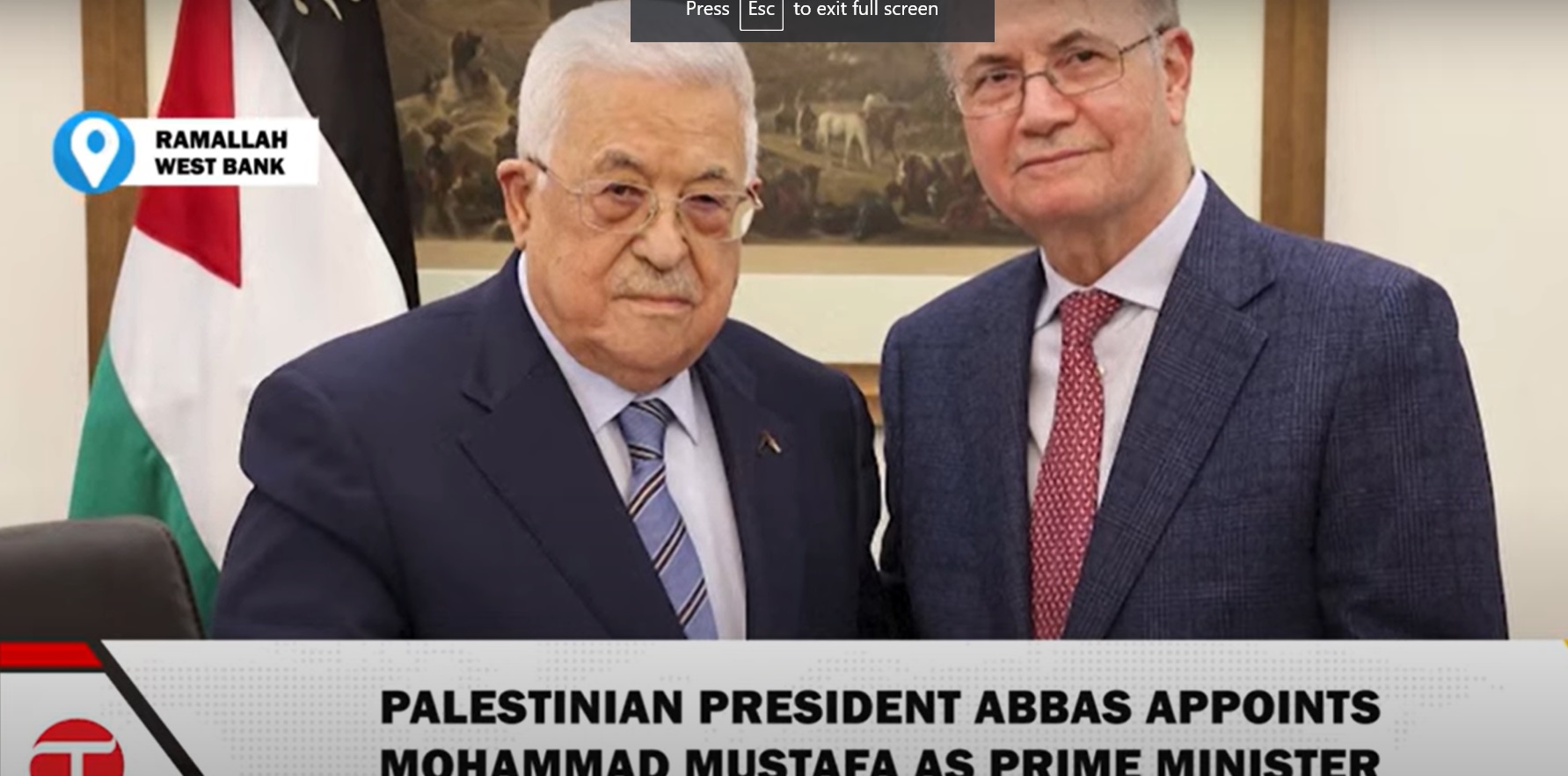
As the war in the Gaza Strip persists, Israel faces a critical question regarding the region’s governance post-conflict.

As the war in the Gaza Strip persists, Israel faces a critical question regarding the region’s governance post-conflict.

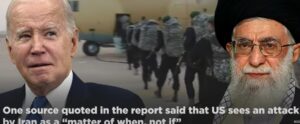
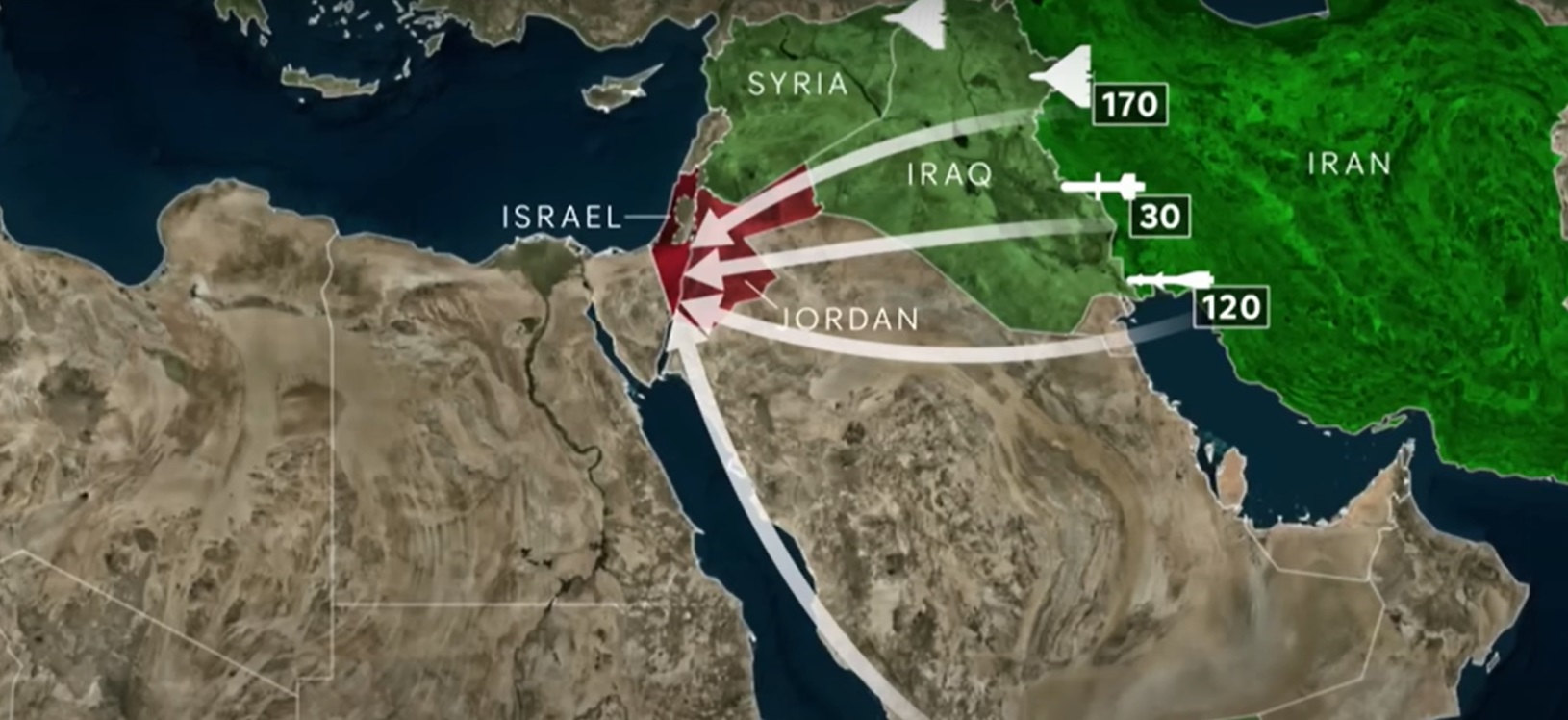
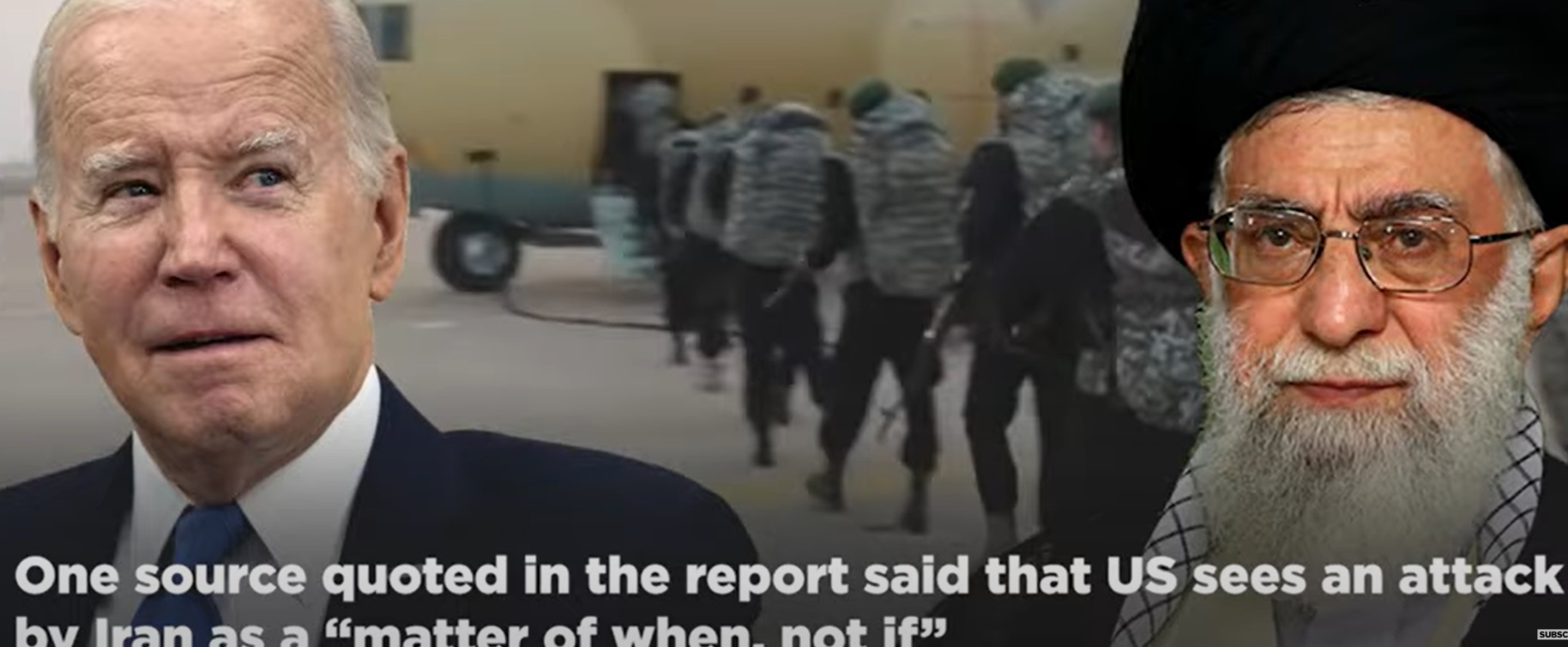
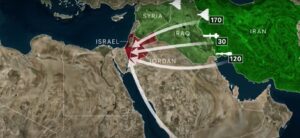
Senior officials in the US and Israel anticipate an imminent response from Iran following the assassination of Hassan Mahdavi, the commander of the Quds Force in Syria and Lebanon, reportedly attributed to Israel. However, there’s a cautious expectation that Iran’s retaliation will be measured, aiming to avoid escalating tensions into a full-scale war between Israel and Iran, which could potentially trigger a wider regional conflict.

Iran is adopting a cautious strategy in its ongoing confrontation with Israel. Despite enduring significant setbacks in Syria, Tehran currently appears disinclined to engage in an all-out war with Israel.Rather than pursuing immediate escalation, Iran is intensifying its campaign of attrition against Israel while implementing a strategy aimed at uniting various arenas of conflict.

The ongoing protests in Jordan serve as another indication of the perceived shortcomings in the Biden administration’s Middle East policy.
Iran and Hamas have succeeded in destabilizing the Jordanian government, prompting concerns among Gulf countries about a potential “domino effect” spreading throughout the region.

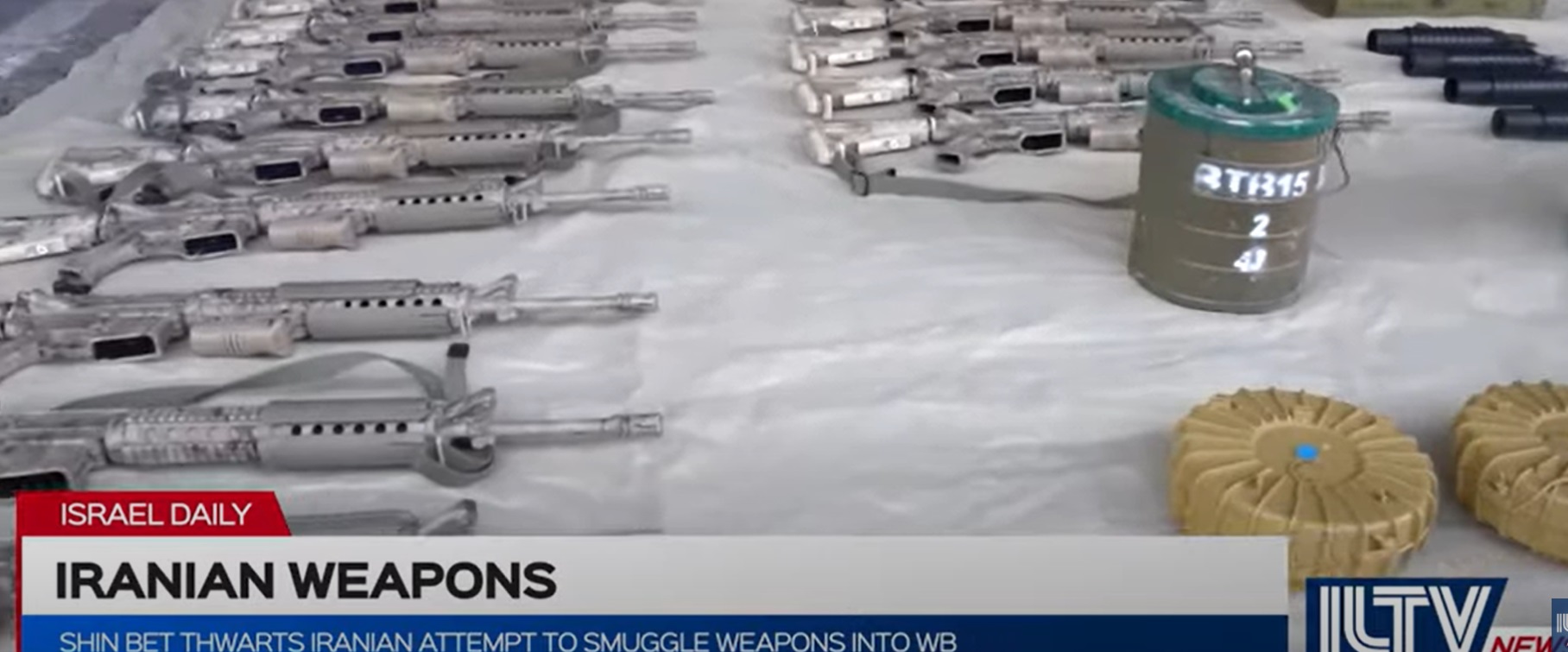
In preparation for the occupation of Rafah, Iran is working to help Hamas and plans to open a new front from the Jordanian border against Israel.
A pro-Iranian militia in Iraq announced its willingness to arm 12,000 fighters in Jordan to fight against Israel. King Abdullah is very worried and is trying to stop the escalation in his country.

Israel is on high alert both domestically and abroad, bracing for potential retaliation from Iran following the assassination of General Mohammad Reza Zahedi in Damascus.

There’s growing concern in Israel regarding Iran’s imminent plans to retaliate against an Israeli target abroad in response to the assassination of Mohammad Reza Zahedi in Damascus, an act attributed to Israel.
Security officials anticipate an Iranian assault on an Israeli embassy or consulate in countries where Iran maintains intelligence and terrorist networks. Consequently, Israel is taking necessary precautions.

Qatar is playing a significant role in negotiations for a hostage deal, with clandestine support to sustain Hamas’ control over the Gaza Strip.
Yahya Sinwar, leveraging the hostage situation, aims to solidify Hamas’ dominance in the region, signaling to Israel its determination to maintain authority.

The recent assassination of Mohammad Reza Zahedi, commander of the “Quds” force in Syria and Lebanon, marks a significant operational and moral blow to Iran and Hezbollah.
The attack is perceived as a warning message to Iran concerning its alleged involvement in attacks against Israel since October 7th, as well as anticipation of future planned attacks. Israel expects a response from Iran following this assassination.

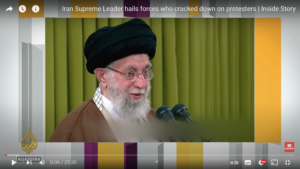
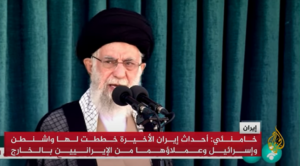
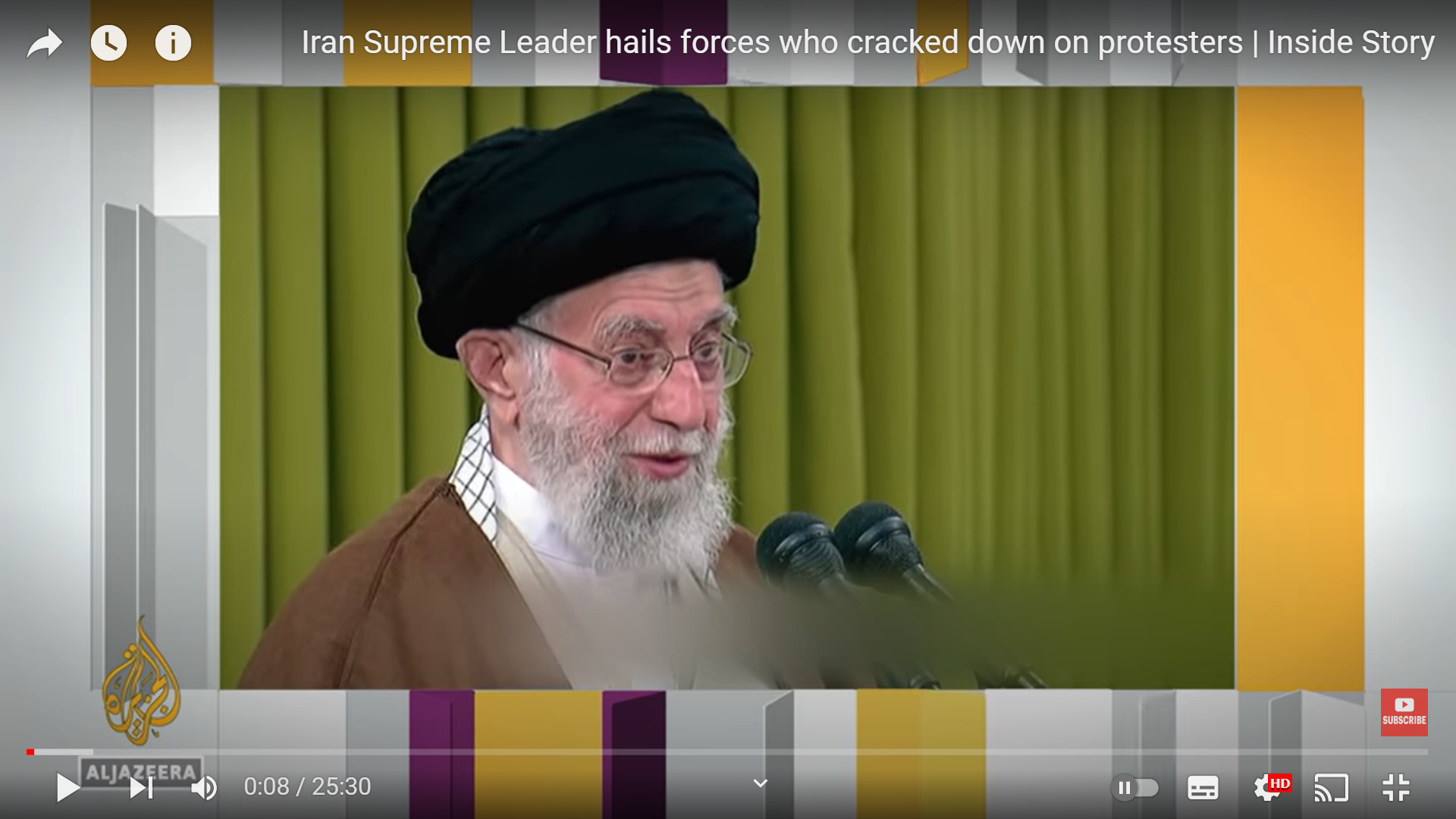
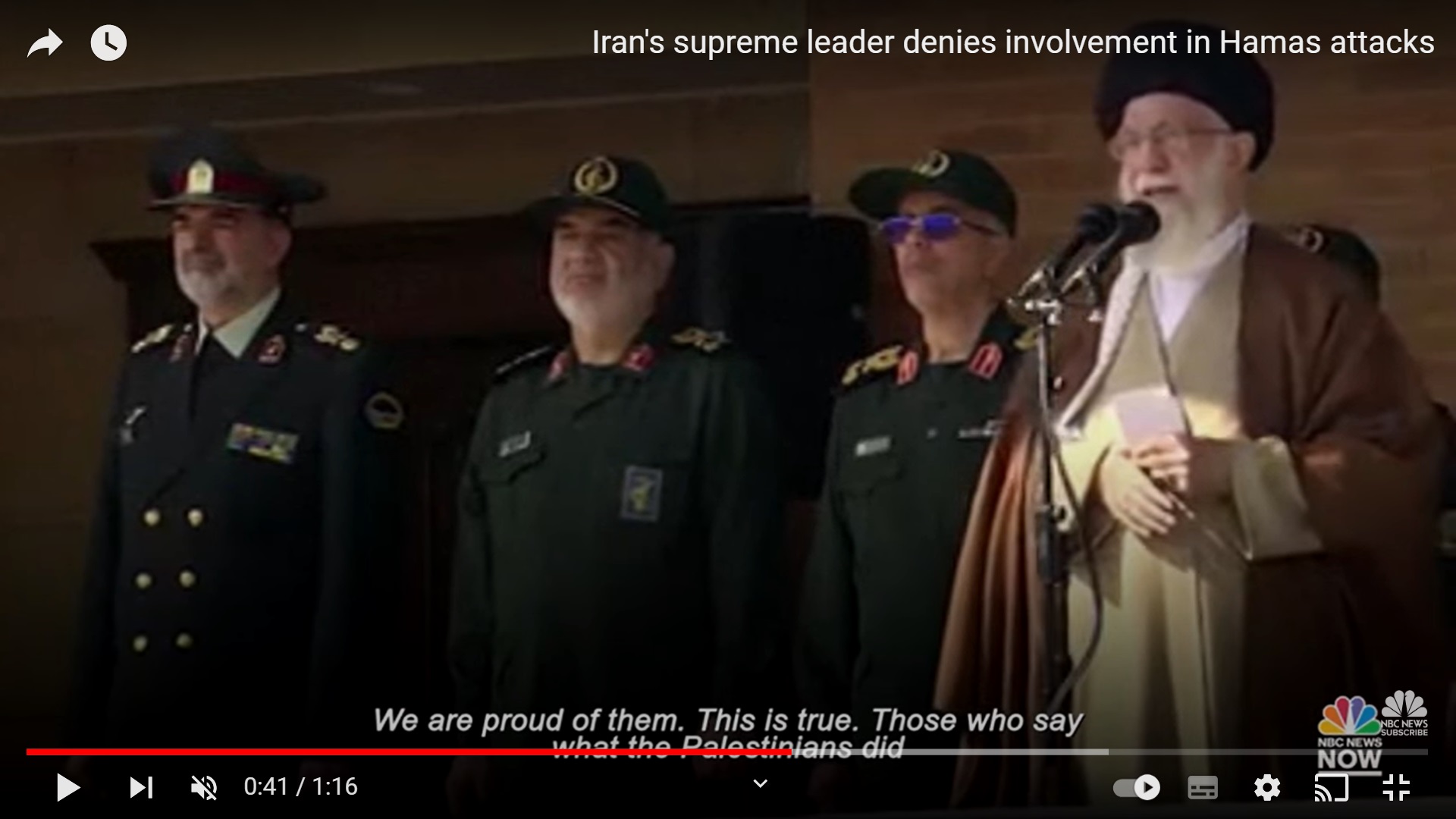
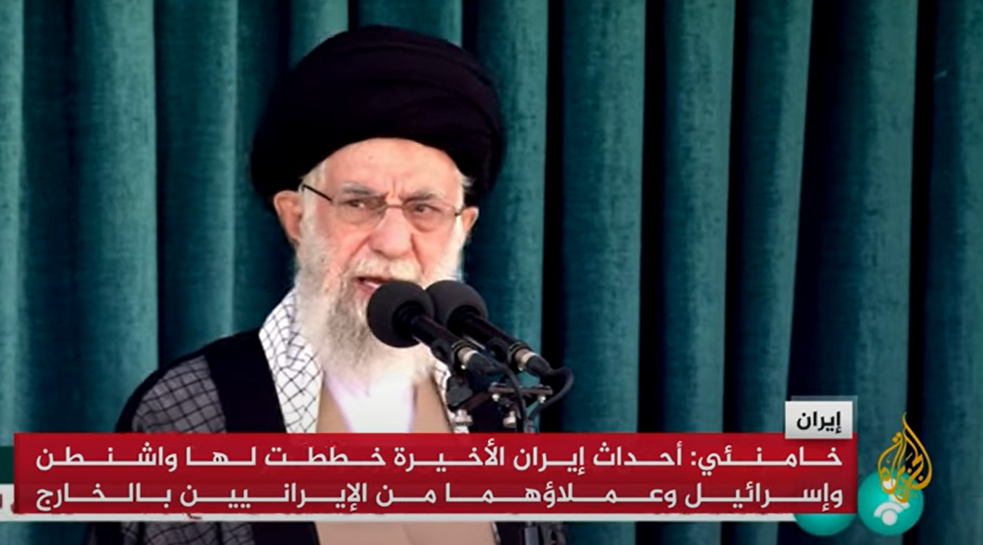
Iran’s Supreme Leader Ali Khamenei assured Hamas leader Ismail Haniyeh during his visit to Tehran that Iran would not permit Israel to topple Hamas’ rule in the Gaza Strip.
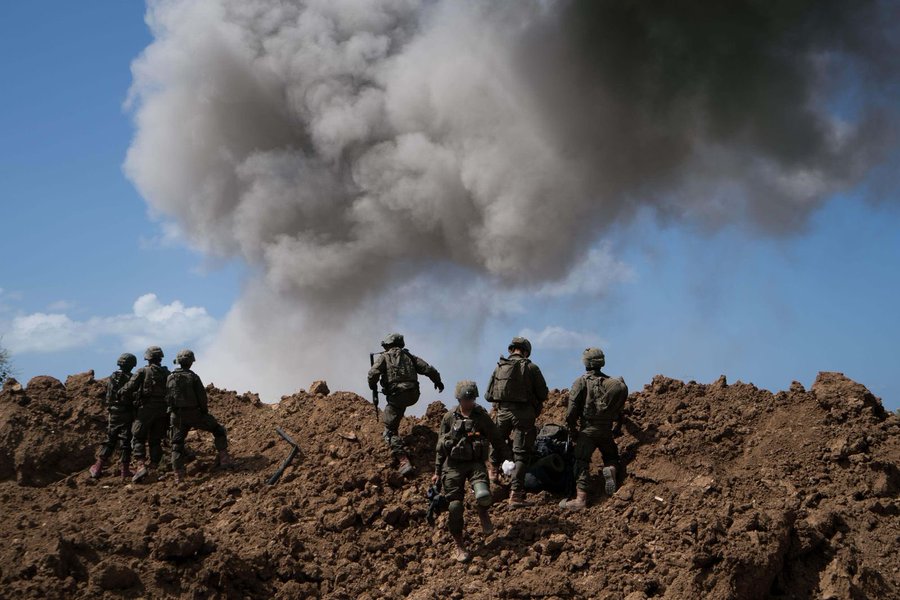
While Hamas remains skeptical of Iranian assurances, it is actively preparing for potential conflict in the Rafah area, which holds significant military importance for the continuation of Hamas rule in Gaza.

As the war in the Gaza Strip persists, Israel faces a critical question regarding the region’s governance post-conflict.

Senior officials in the US and Israel anticipate an imminent response from Iran following the assassination of Hassan Mahdavi, the commander of the Quds Force in Syria and Lebanon, reportedly attributed to Israel. However, there’s a cautious expectation that Iran’s retaliation will be measured, aiming to avoid escalating tensions into a full-scale war between Israel and Iran, which could potentially trigger a wider regional conflict.

Iran is adopting a cautious strategy in its ongoing confrontation with Israel. Despite enduring significant setbacks in Syria, Tehran currently appears disinclined to engage in an all-out war with Israel.Rather than pursuing immediate escalation, Iran is intensifying its campaign of attrition against Israel while implementing a strategy aimed at uniting various arenas of conflict.

The ongoing protests in Jordan serve as another indication of the perceived shortcomings in the Biden administration’s Middle East policy.
Iran and Hamas have succeeded in destabilizing the Jordanian government, prompting concerns among Gulf countries about a potential “domino effect” spreading throughout the region.

In preparation for the occupation of Rafah, Iran is working to help Hamas and plans to open a new front from the Jordanian border against Israel.
A pro-Iranian militia in Iraq announced its willingness to arm 12,000 fighters in Jordan to fight against Israel. King Abdullah is very worried and is trying to stop the escalation in his country.

Israel is on high alert both domestically and abroad, bracing for potential retaliation from Iran following the assassination of General Mohammad Reza Zahedi in Damascus.

There’s growing concern in Israel regarding Iran’s imminent plans to retaliate against an Israeli target abroad in response to the assassination of Mohammad Reza Zahedi in Damascus, an act attributed to Israel.
Security officials anticipate an Iranian assault on an Israeli embassy or consulate in countries where Iran maintains intelligence and terrorist networks. Consequently, Israel is taking necessary precautions.

Qatar is playing a significant role in negotiations for a hostage deal, with clandestine support to sustain Hamas’ control over the Gaza Strip.
Yahya Sinwar, leveraging the hostage situation, aims to solidify Hamas’ dominance in the region, signaling to Israel its determination to maintain authority.

The recent assassination of Mohammad Reza Zahedi, commander of the “Quds” force in Syria and Lebanon, marks a significant operational and moral blow to Iran and Hezbollah.
The attack is perceived as a warning message to Iran concerning its alleged involvement in attacks against Israel since October 7th, as well as anticipation of future planned attacks. Israel expects a response from Iran following this assassination.

Iran’s Supreme Leader Ali Khamenei assured Hamas leader Ismail Haniyeh during his visit to Tehran that Iran would not permit Israel to topple Hamas’ rule in the Gaza Strip.
While Hamas remains skeptical of Iranian assurances, it is actively preparing for potential conflict in the Rafah area, which holds significant military importance for the continuation of Hamas rule in Gaza.