Why Was Iran Not Militarily Defeated?
Despite American military superiority, a combination of asymmetric strategy, internal cohesion, and control over the Strait of Hormuz has prevented a swift military defeat of Iran.

Despite American military superiority, a combination of asymmetric strategy, internal cohesion, and control over the Strait of Hormuz has prevented a swift military defeat of Iran.

Senior security officials assess that the Houthis in Yemen are likely to expand the theater of conflict by targeting maritime traffic in the Red Sea and attempting to disrupt navigation through the Bab al-Mandeb Strait in support of Iran.
Iran, for its part, appears to be pursuing a “pincer strategy” involving both the Strait of Hormuz and the Bab al-Mandeb, aiming to intensify pressure on the global economy in an effort to halt the war.

The cognitive domain has become one of the central battlefields in the regional confrontation. The elimination of key figures in the propaganda apparatus of Iran and its proxies has created a communications vacuum, undermined their ability to shape coherent narratives, and weakened the Axis of Resistance’s influence over public opinion and the broader regional system.
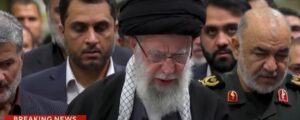
Who will lead Iran the day after? The assassination of Ali Larijani has shaken the centers of power at the top of the Iranian regime and placed Mojtaba Khamenei before a critical test of survival, while the status of the Islamic Revolutionary Guard Corps commanders continues to strengthen.

Senior Israeli officials assess that a series of strategic failures by the clerical regime, across the fields of nuclear development, regional alliances, and deterrence, have weakened Iran and left it more vulnerable than ever in the current confrontation.
U.S. and Israeli intelligence assessments indicate that, at this stage, the Houthis in Yemen are providing only indirect support to Iran. However, as the situation of the Iranian regime deteriorates, the likelihood increases that they may eventually join the conflict and launch attacks against American and Israeli targets.
The appointment of Mojtaba Khamenei as Iran’s new Supreme Leader is being perceived in Tehran as a declaration of resilience against American and Israeli pressure. However, in Jerusalem, the move is viewed as placing the new leader squarely in the crosshairs, potentially making him a prime target in efforts to dismantle the Iranian regime.

From Containing Iran to Preparing for a Rising Sunni Axis – Israel Attempts to Reengineer the Regional Order Through a Multi-Lateral Alliance

Against the backdrop of Iran’s gradual weakening, a new Sunni coalition is beginning to take form. At its center stands Turkey, seeking regional leadership and signaling a reassessment of the nuclear option as a means of reshaping the balance of deterrence.

Behind Turkey’s mediation initiatives between the United States and Iran, as well as in other arenas, officials in Jerusalem and Western capitals identify a broader strategy aimed at managing regional risks, strengthening Turkey’s international standing, and advancing a neo-Ottoman vision. At its core stands President Recep Tayyip Erdoğan’s ambition to establish Turkey as an unavoidable regional power.

Despite American military superiority, a combination of asymmetric strategy, internal cohesion, and control over the Strait of Hormuz has prevented a swift military defeat of Iran.
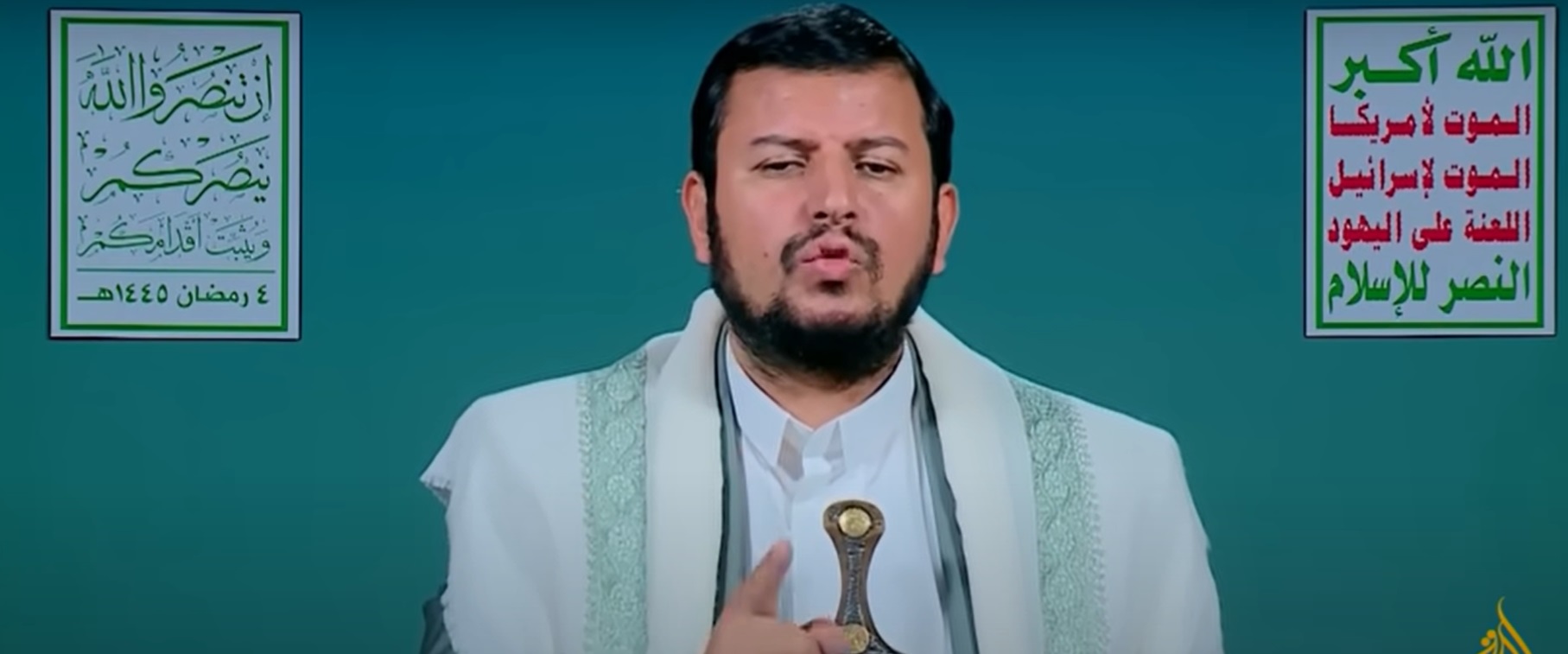
Senior security officials assess that the Houthis in Yemen are likely to expand the theater of conflict by targeting maritime traffic in the Red Sea and attempting to disrupt navigation through the Bab al-Mandeb Strait in support of Iran.
Iran, for its part, appears to be pursuing a “pincer strategy” involving both the Strait of Hormuz and the Bab al-Mandeb, aiming to intensify pressure on the global economy in an effort to halt the war.

The cognitive domain has become one of the central battlefields in the regional confrontation. The elimination of key figures in the propaganda apparatus of Iran and its proxies has created a communications vacuum, undermined their ability to shape coherent narratives, and weakened the Axis of Resistance’s influence over public opinion and the broader regional system.
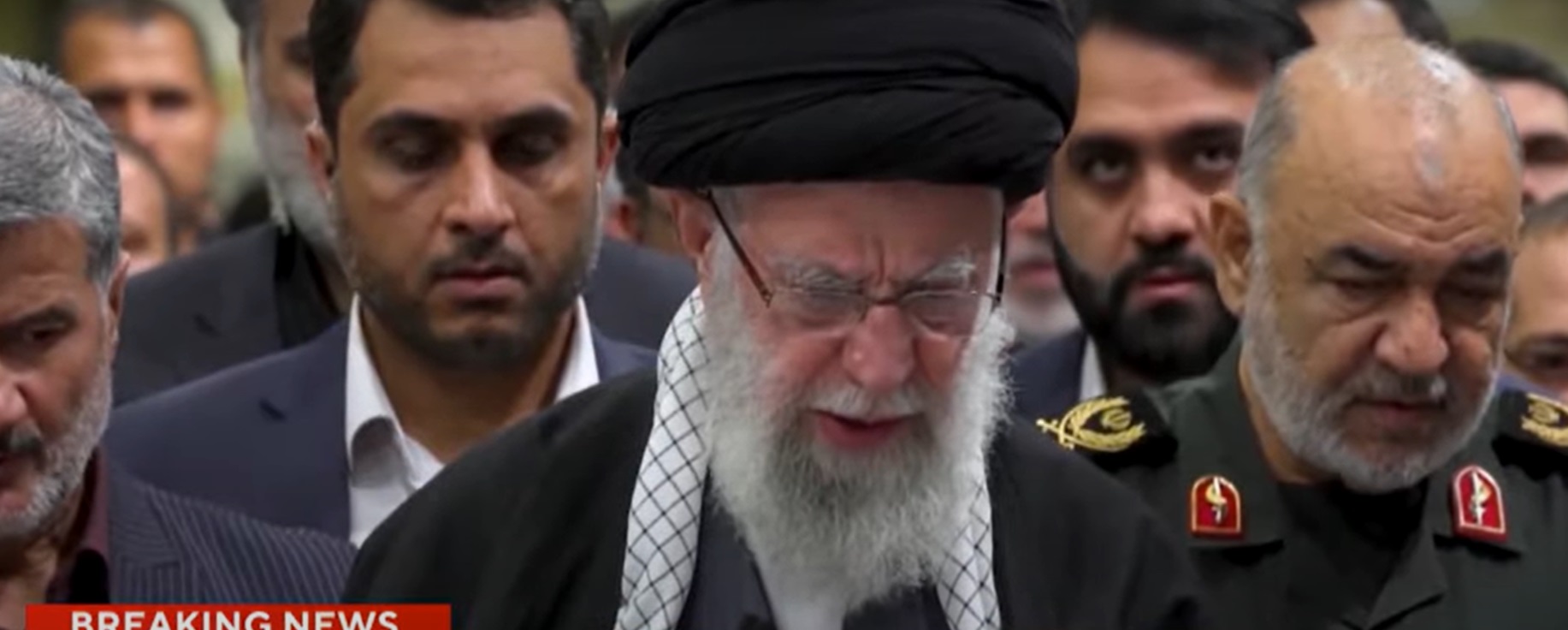
Who will lead Iran the day after? The assassination of Ali Larijani has shaken the centers of power at the top of the Iranian regime and placed Mojtaba Khamenei before a critical test of survival, while the status of the Islamic Revolutionary Guard Corps commanders continues to strengthen.
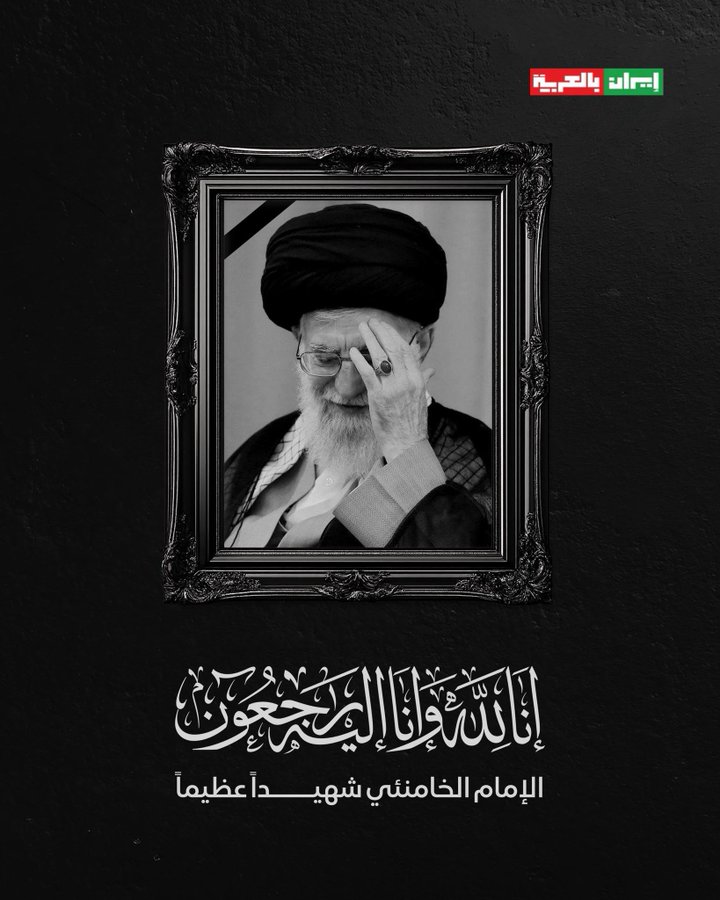
Senior Israeli officials assess that a series of strategic failures by the clerical regime, across the fields of nuclear development, regional alliances, and deterrence, have weakened Iran and left it more vulnerable than ever in the current confrontation.
U.S. and Israeli intelligence assessments indicate that, at this stage, the Houthis in Yemen are providing only indirect support to Iran. However, as the situation of the Iranian regime deteriorates, the likelihood increases that they may eventually join the conflict and launch attacks against American and Israeli targets.
The appointment of Mojtaba Khamenei as Iran’s new Supreme Leader is being perceived in Tehran as a declaration of resilience against American and Israeli pressure. However, in Jerusalem, the move is viewed as placing the new leader squarely in the crosshairs, potentially making him a prime target in efforts to dismantle the Iranian regime.

From Containing Iran to Preparing for a Rising Sunni Axis – Israel Attempts to Reengineer the Regional Order Through a Multi-Lateral Alliance

Against the backdrop of Iran’s gradual weakening, a new Sunni coalition is beginning to take form. At its center stands Turkey, seeking regional leadership and signaling a reassessment of the nuclear option as a means of reshaping the balance of deterrence.

Behind Turkey’s mediation initiatives between the United States and Iran, as well as in other arenas, officials in Jerusalem and Western capitals identify a broader strategy aimed at managing regional risks, strengthening Turkey’s international standing, and advancing a neo-Ottoman vision. At its core stands President Recep Tayyip Erdoğan’s ambition to establish Turkey as an unavoidable regional power.