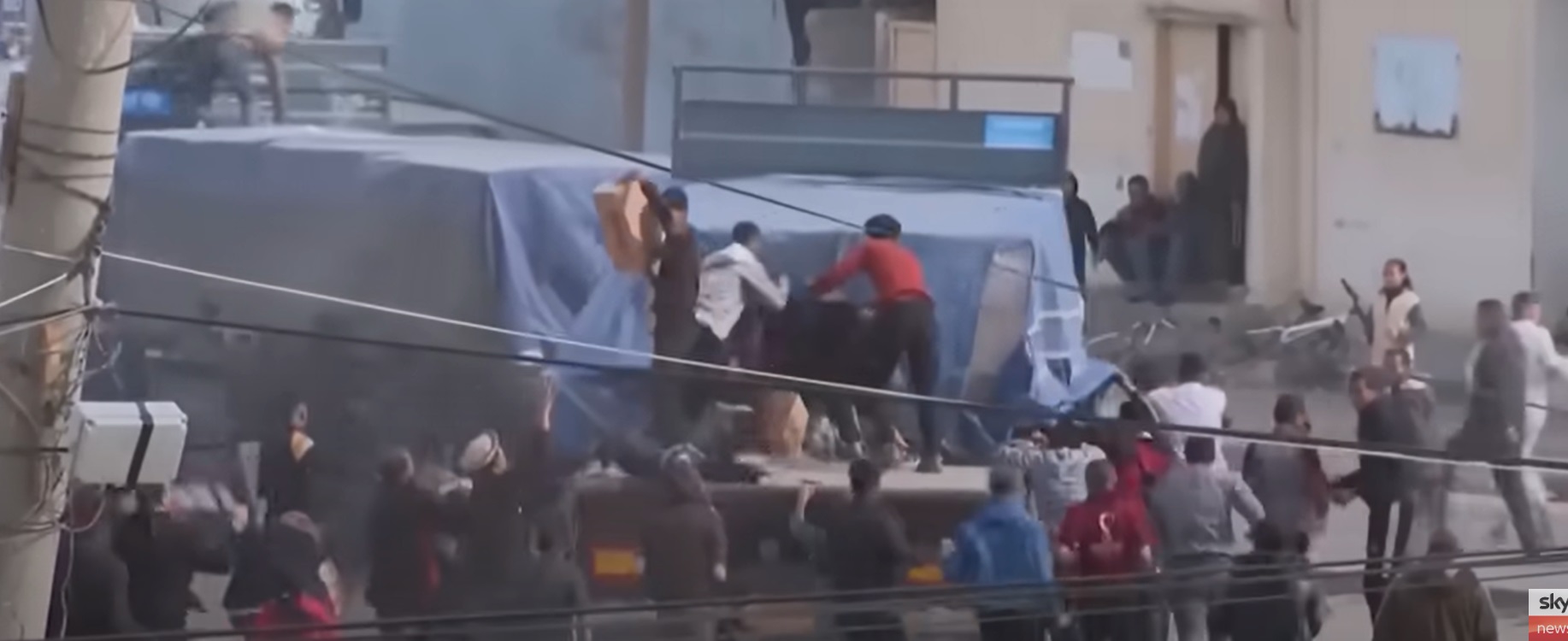

Hamas Loots Humanitarian Aid and Eliminates Rivals
Hamas killed 20 residents in the Gaza Strip, accusing them of stealing humanitarian aid.

Hamas killed 20 residents in the Gaza Strip, accusing them of stealing humanitarian aid.

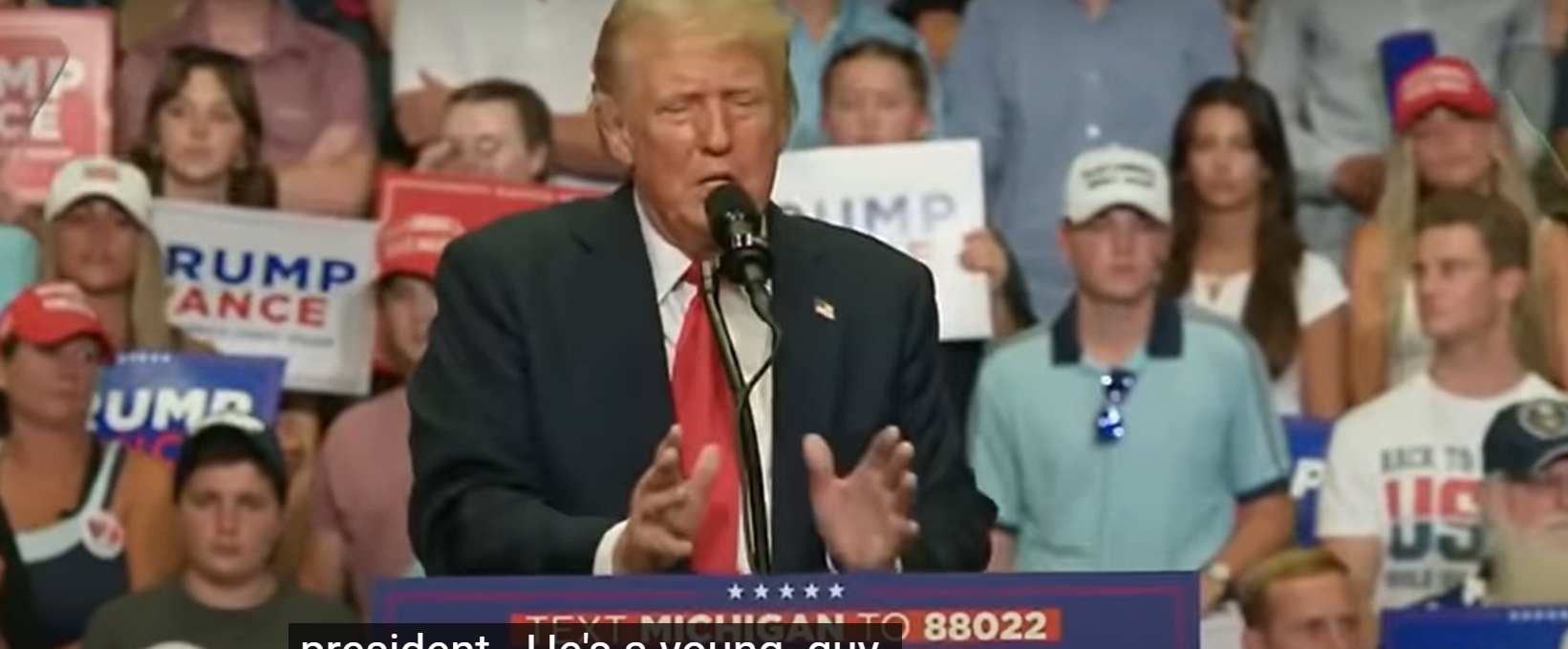
President Trump is preparing for his return to the White House, having already appointed key figures to his administration who will shape Middle East policy.
His goals reportedly include preventing conflicts and fostering economic prosperity, alongside a personal ambition to secure a Nobel Peace Prize.
However, commentators in the region question whether his team is equipped to deliver on these promises.

The PA is increasingly concerned that Israel may seek to annex parts of Judea and Samaria during the upcoming term of former President Donald Trump.
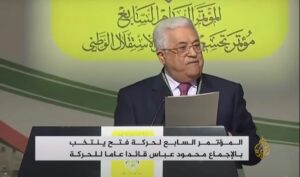
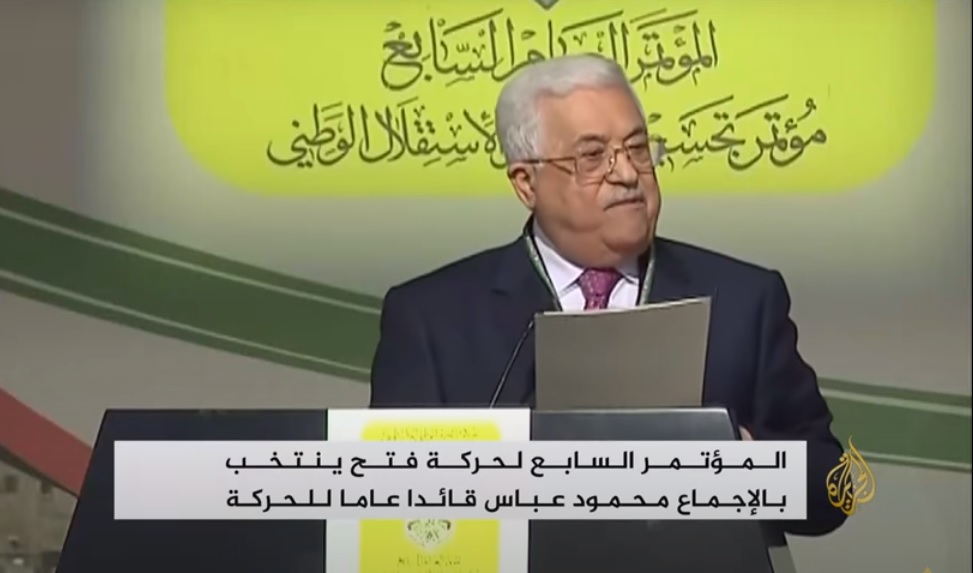
PA officials report that President Mahmoud Abbas has made a strategic decision to lift the boycott on Trump’s administration, resuming negotiations with Israel on the basis of a two-state solution.

According to senior security officials, Sheikh Naim Kassem, the new Secretary General of Hezbollah, is in Israel’s crosshairs and it will work to eliminate him.
In their estimation, his appointment was made under Iranian pressure on the Hezbollah leadership to show that the organization recovers and controls the situation after the severe blows it received from Israel.

According to senior security officials, Israel’s recent airstrike on Iran has reportedly destroyed all of Iran’s strategic air defense capabilities and severely hindered its ability to produce new ballistic missiles.
Despite these setbacks, Iran is determined to respond to the Israeli attack and is currently engaged in damage control efforts.

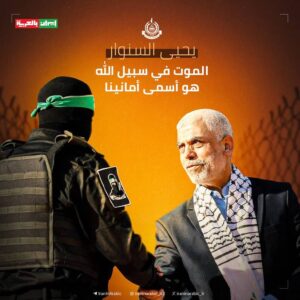
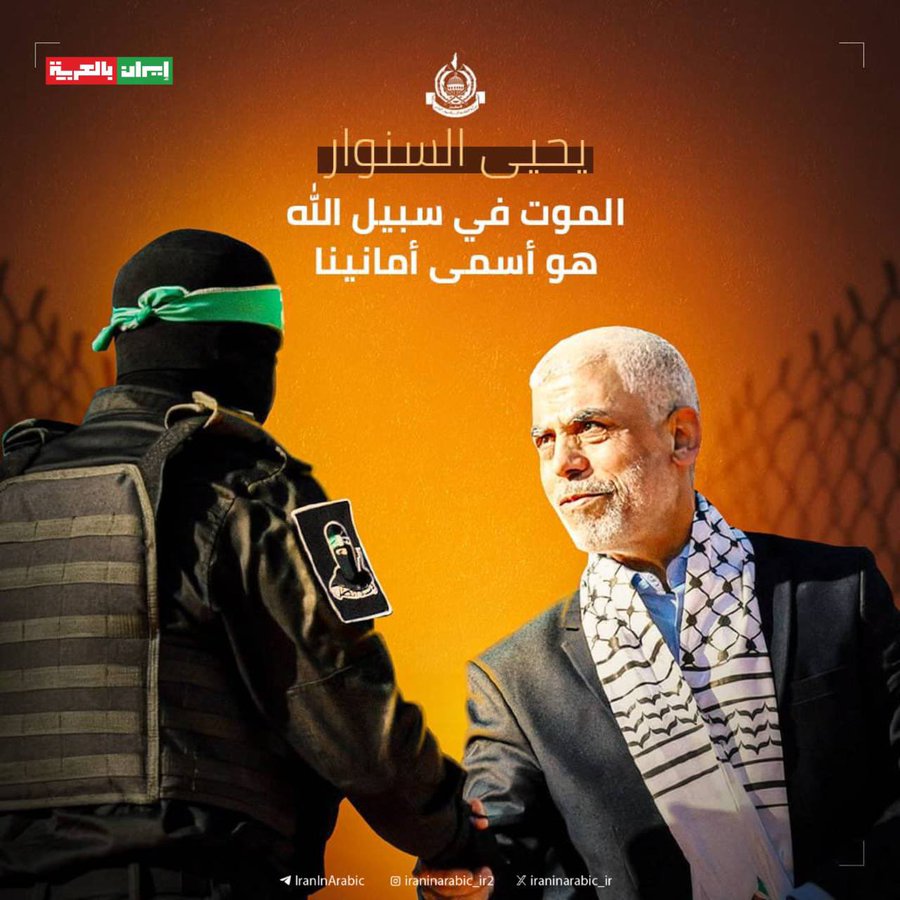
The “Al-Aqsa Flood” operation had the opposite of its intended effect. Instead of precipitating the collapse of Israel, it led to the killing of Hamas leader Yahya Sinwar and complicated Iran’s strategic position.
Israel’s military response has established a new regional equation, significantly weakening Iran’s influence, as it lost its key proxy in Gaza and became more vulnerable to Israeli strikes.

According to sources in Lebanon, Hezbollah is currently governed by a temporary “collective leadership” following the assassination of its Secretary General, Hassan Nasrallah, by Israel.
The organization has yet to choose a successor, as the leadership is wary of further Israeli attacks.

Hezbollah is facing a crucial decision as it prepares to choose a successor following the death of its leader, Hassan Nasrallah.
With the mourning period coming to an end, Iran is expected to play a decisive role in determining the new leader, someone who will be instrumental in rebuilding Hezbollah’s power.
The leading candidate for this position is Hashem Safi al-Din, Nasrallah’s cousin and the head of Hezbollah’s executive council, who maintains close ties with Iran.

Since the onset of the war, Hassan Nasrallah has made a series of strategic miscalculations that have significantly weakened Hezbollah and harmed the people of Lebanon.
His reputation as a wise and effective leader has been severely tarnished in Lebanon and across the Arab world, eroding his credibility and leaving him viewed as a failure.

Iran fears that Israel is setting a trap for both Tehran and Hezbollah, with the goal of provoking them into a regional conflict.
Such a war, according to Iranian leaders, would grant Israel international legitimacy to strike a decisive and potentially devastating blow against them.
The Iranian directive to Hezbollah leader Hassan Nasrallah remains clear: adhere to the strategy of attrition against Israel and maintain the “unity of the arenas,” without deviating from this approach.

Hamas killed 20 residents in the Gaza Strip, accusing them of stealing humanitarian aid.

President Trump is preparing for his return to the White House, having already appointed key figures to his administration who will shape Middle East policy.
His goals reportedly include preventing conflicts and fostering economic prosperity, alongside a personal ambition to secure a Nobel Peace Prize.
However, commentators in the region question whether his team is equipped to deliver on these promises.

The PA is increasingly concerned that Israel may seek to annex parts of Judea and Samaria during the upcoming term of former President Donald Trump.
PA officials report that President Mahmoud Abbas has made a strategic decision to lift the boycott on Trump’s administration, resuming negotiations with Israel on the basis of a two-state solution.

According to senior security officials, Sheikh Naim Kassem, the new Secretary General of Hezbollah, is in Israel’s crosshairs and it will work to eliminate him.
In their estimation, his appointment was made under Iranian pressure on the Hezbollah leadership to show that the organization recovers and controls the situation after the severe blows it received from Israel.

According to senior security officials, Israel’s recent airstrike on Iran has reportedly destroyed all of Iran’s strategic air defense capabilities and severely hindered its ability to produce new ballistic missiles.
Despite these setbacks, Iran is determined to respond to the Israeli attack and is currently engaged in damage control efforts.

The “Al-Aqsa Flood” operation had the opposite of its intended effect. Instead of precipitating the collapse of Israel, it led to the killing of Hamas leader Yahya Sinwar and complicated Iran’s strategic position.
Israel’s military response has established a new regional equation, significantly weakening Iran’s influence, as it lost its key proxy in Gaza and became more vulnerable to Israeli strikes.

According to sources in Lebanon, Hezbollah is currently governed by a temporary “collective leadership” following the assassination of its Secretary General, Hassan Nasrallah, by Israel.
The organization has yet to choose a successor, as the leadership is wary of further Israeli attacks.

Hezbollah is facing a crucial decision as it prepares to choose a successor following the death of its leader, Hassan Nasrallah.
With the mourning period coming to an end, Iran is expected to play a decisive role in determining the new leader, someone who will be instrumental in rebuilding Hezbollah’s power.
The leading candidate for this position is Hashem Safi al-Din, Nasrallah’s cousin and the head of Hezbollah’s executive council, who maintains close ties with Iran.

Since the onset of the war, Hassan Nasrallah has made a series of strategic miscalculations that have significantly weakened Hezbollah and harmed the people of Lebanon.
His reputation as a wise and effective leader has been severely tarnished in Lebanon and across the Arab world, eroding his credibility and leaving him viewed as a failure.

Iran fears that Israel is setting a trap for both Tehran and Hezbollah, with the goal of provoking them into a regional conflict.
Such a war, according to Iranian leaders, would grant Israel international legitimacy to strike a decisive and potentially devastating blow against them.
The Iranian directive to Hezbollah leader Hassan Nasrallah remains clear: adhere to the strategy of attrition against Israel and maintain the “unity of the arenas,” without deviating from this approach.