Why Was Iran Not Militarily Defeated?
Despite American military superiority, a combination of asymmetric strategy, internal cohesion, and control over the Strait of Hormuz has prevented a swift military defeat of Iran.

Despite American military superiority, a combination of asymmetric strategy, internal cohesion, and control over the Strait of Hormuz has prevented a swift military defeat of Iran.
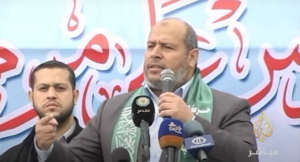
While the confrontation with Iran and developments along the northern front occupy both Israel and the United States, Hamas is exploiting the diplomatic stalemate to delay demands for its disarmament.
At the same time, it is working to consolidate its governance in the Gaza Strip, rebuild its military capabilities, and continue terrorist activity against IDF forces, with the aim of preserving its position ahead of the next phase of the regional conflict.
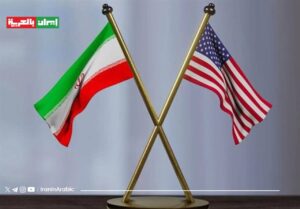
According to senior security officials, Iran is expected to use the negotiations in Islamabad to buy time in order to rebuild its military capabilities and erode American pressure, against the backdrop of deep gaps between the two sides that could ultimately lead to the collapse of the talks and a renewal of hostilities.

The Transition to a Security-Military Regime: How the Appointment of Mojtaba Khamenei and the IRGC’s Dominance Are Reshaping the Balance of Power and Reducing the Influence of the Religious Establishment

Senior security officials assess that the Houthis in Yemen are likely to expand the theater of conflict by targeting maritime traffic in the Red Sea and attempting to disrupt navigation through the Bab al-Mandeb Strait in support of Iran.
Iran, for its part, appears to be pursuing a “pincer strategy” involving both the Strait of Hormuz and the Bab al-Mandeb, aiming to intensify pressure on the global economy in an effort to halt the war.

The cognitive domain has become one of the central battlefields in the regional confrontation. The elimination of key figures in the propaganda apparatus of Iran and its proxies has created a communications vacuum, undermined their ability to shape coherent narratives, and weakened the Axis of Resistance’s influence over public opinion and the broader regional system.
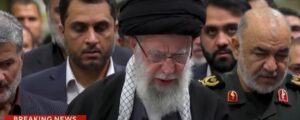
Who will lead Iran the day after? The assassination of Ali Larijani has shaken the centers of power at the top of the Iranian regime and placed Mojtaba Khamenei before a critical test of survival, while the status of the Islamic Revolutionary Guard Corps commanders continues to strengthen.

Senior Israeli officials assess that a series of strategic failures by the clerical regime, across the fields of nuclear development, regional alliances, and deterrence, have weakened Iran and left it more vulnerable than ever in the current confrontation.
The appointment of Mojtaba Khamenei as Iran’s new Supreme Leader is being perceived in Tehran as a declaration of resilience against American and Israeli pressure. However, in Jerusalem, the move is viewed as placing the new leader squarely in the crosshairs, potentially making him a prime target in efforts to dismantle the Iranian regime.

A potential American military strike could once again set the Iranian street ablaze. Senior security officials assess that only a combination of systemic internal collapse and ineffective repression would be capable of triggering a broad uprising.

Despite American military superiority, a combination of asymmetric strategy, internal cohesion, and control over the Strait of Hormuz has prevented a swift military defeat of Iran.
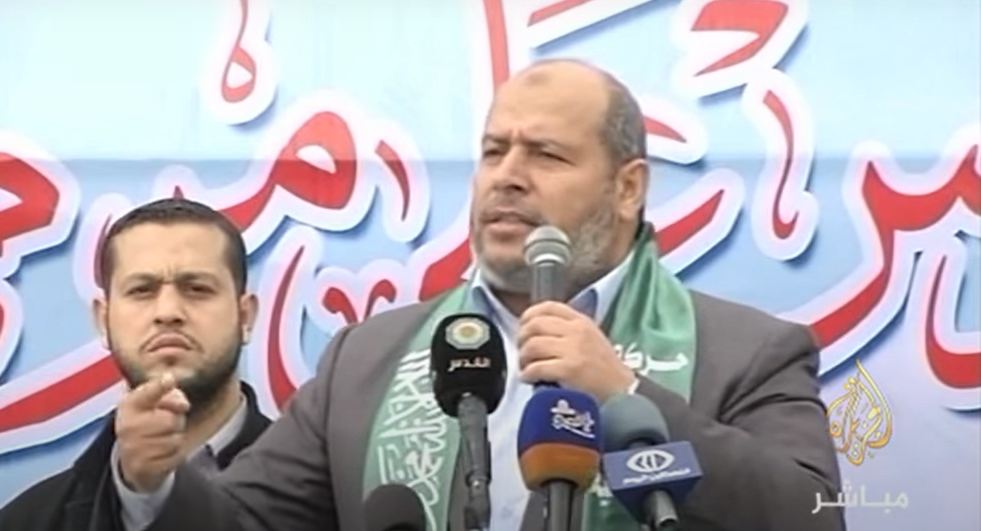
While the confrontation with Iran and developments along the northern front occupy both Israel and the United States, Hamas is exploiting the diplomatic stalemate to delay demands for its disarmament.
At the same time, it is working to consolidate its governance in the Gaza Strip, rebuild its military capabilities, and continue terrorist activity against IDF forces, with the aim of preserving its position ahead of the next phase of the regional conflict.

According to senior security officials, Iran is expected to use the negotiations in Islamabad to buy time in order to rebuild its military capabilities and erode American pressure, against the backdrop of deep gaps between the two sides that could ultimately lead to the collapse of the talks and a renewal of hostilities.

The Transition to a Security-Military Regime: How the Appointment of Mojtaba Khamenei and the IRGC’s Dominance Are Reshaping the Balance of Power and Reducing the Influence of the Religious Establishment
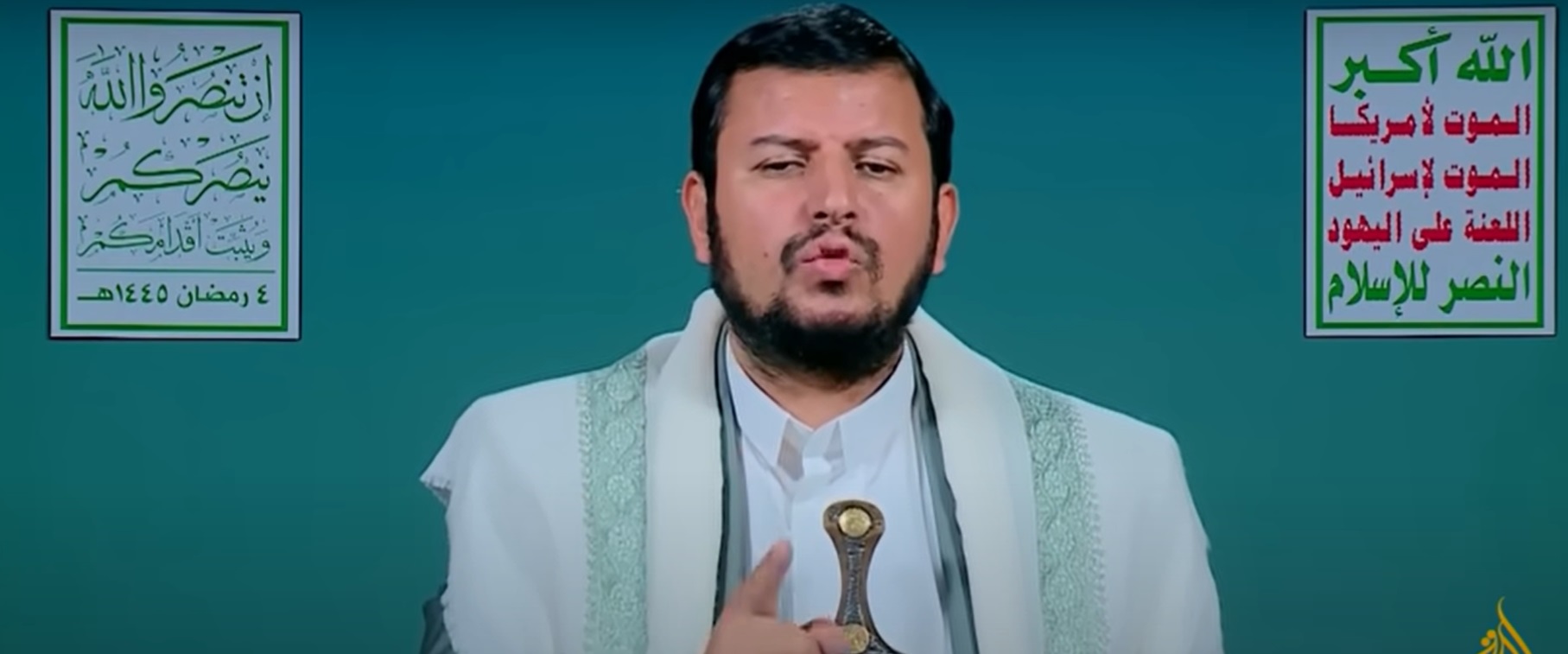
Senior security officials assess that the Houthis in Yemen are likely to expand the theater of conflict by targeting maritime traffic in the Red Sea and attempting to disrupt navigation through the Bab al-Mandeb Strait in support of Iran.
Iran, for its part, appears to be pursuing a “pincer strategy” involving both the Strait of Hormuz and the Bab al-Mandeb, aiming to intensify pressure on the global economy in an effort to halt the war.

The cognitive domain has become one of the central battlefields in the regional confrontation. The elimination of key figures in the propaganda apparatus of Iran and its proxies has created a communications vacuum, undermined their ability to shape coherent narratives, and weakened the Axis of Resistance’s influence over public opinion and the broader regional system.
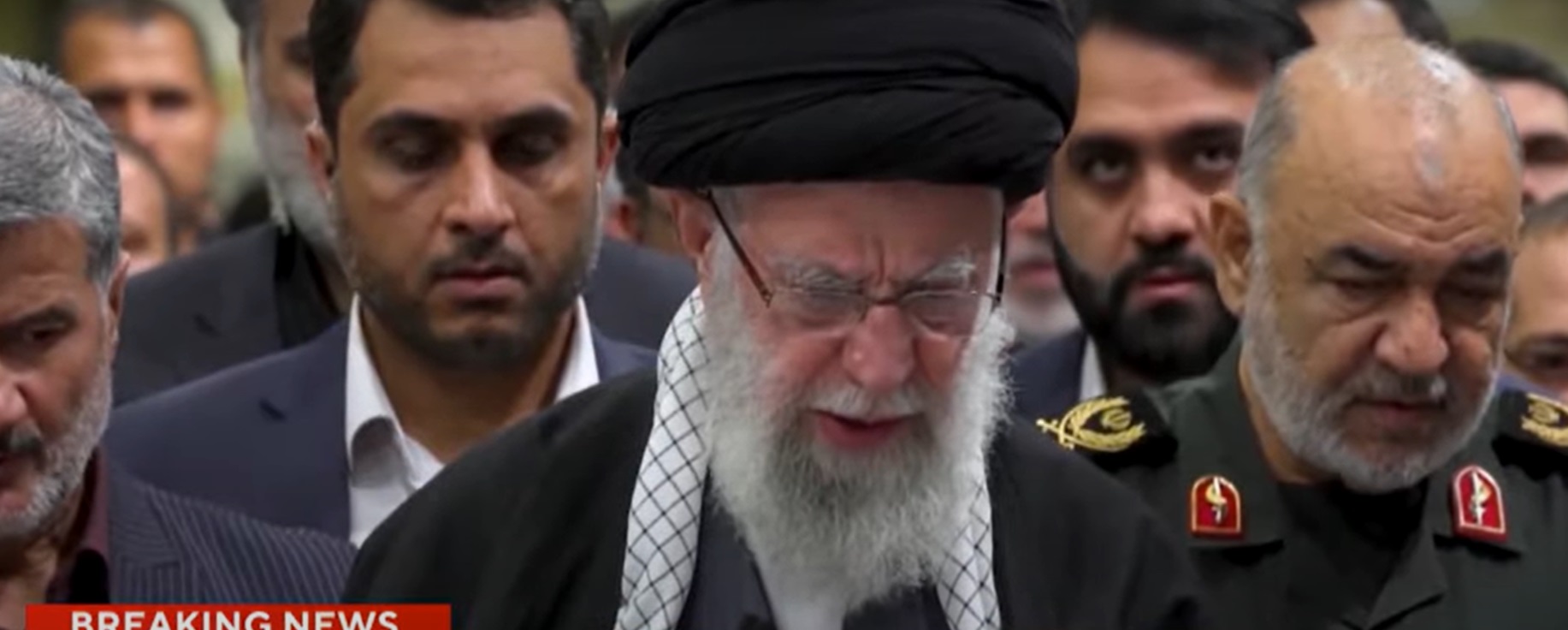
Who will lead Iran the day after? The assassination of Ali Larijani has shaken the centers of power at the top of the Iranian regime and placed Mojtaba Khamenei before a critical test of survival, while the status of the Islamic Revolutionary Guard Corps commanders continues to strengthen.
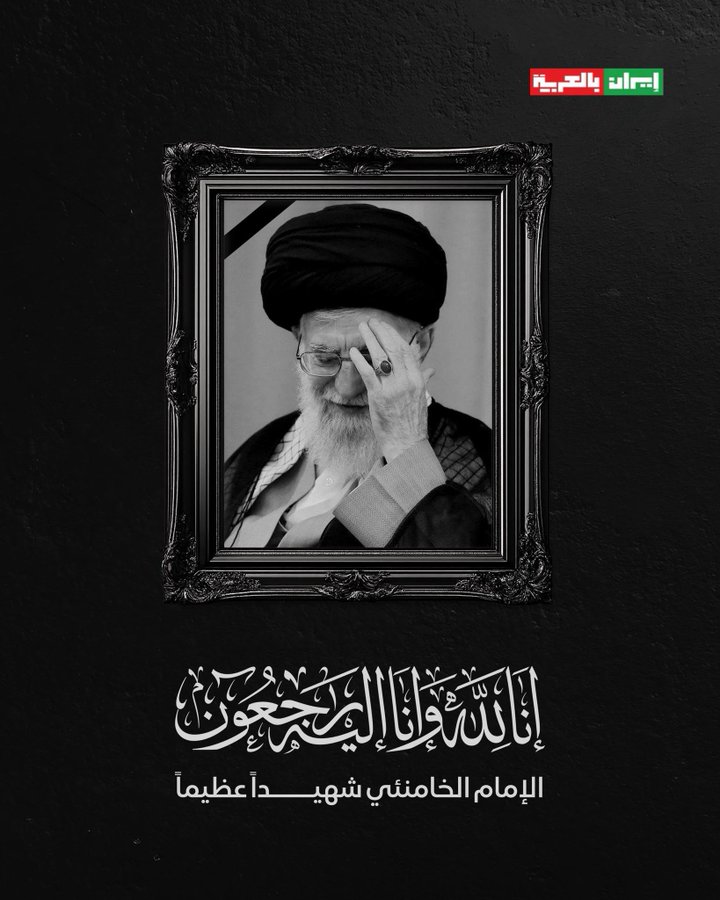
Senior Israeli officials assess that a series of strategic failures by the clerical regime, across the fields of nuclear development, regional alliances, and deterrence, have weakened Iran and left it more vulnerable than ever in the current confrontation.
The appointment of Mojtaba Khamenei as Iran’s new Supreme Leader is being perceived in Tehran as a declaration of resilience against American and Israeli pressure. However, in Jerusalem, the move is viewed as placing the new leader squarely in the crosshairs, potentially making him a prime target in efforts to dismantle the Iranian regime.

A potential American military strike could once again set the Iranian street ablaze. Senior security officials assess that only a combination of systemic internal collapse and ineffective repression would be capable of triggering a broad uprising.